Zamilane Travel

Nom de l’auteur/autrice :zamilanetravel.com

Madagascar transportation guide
Blog

Madagascar transportation guide

How to Get Around Madagascar: Complete Transportation Guide (Flights, Taxi-Brousse, Car Rental & Travel Tips) Madagascar is one of the most fascinating and diverse travel destinations in the world. From lush rainforests and unique wildlife to pristine beaches and dramatic landscapes, the island offers unforgettable experiences. However, due to its size and developing infrastructure, getting around Madagascar requires careful planning. This complete guide explains how to travel in Madagascar efficiently, covering all transportation options including domestic flights, taxi-brousse, car rental, and private transfers. It is designed specifically for international travelers who want a smooth, safe, and well-organized journey Transportation in Madagascar – Essential Overview Madagascar is the fourth-largest island globally, and distances between major tourist destinations are significant. Travel conditions can vary widely depending on the region, weather, and type of road. Main Ways to Get Around Madagascar: ✈️ Domestic flights (fastest and most efficient) 🚐 Taxi-brousse (budget local transport) 🚗 Car rental (self-drive or with driver) 🚙 Private transfers (premium and comfortable) Each option has advantages and limitations. Choosing the right one depends on your budget, travel style, timeframe, and comfort expectations. Domestic Flights in Madagascar Why Domestic Flights Are the Best Time-Saving Option For long distances, domestic flights are by far the most practical option. Road journeys can take days due to poor road conditions, while flights reduce travel time to just a few hours. Example Travel Time Comparison: Antananarivo → Tulear: By road: 2–3 days By flight: 1.5 hours Antananarivo → Nosy Be: By road: over 24 hours By flight: 1 hour 45 minutes For travelers on a limited schedule, flights are essential. Airlines Operating Domestic Flights Tsaradia (Madagascar Airlines domestic network) Madagascar Airlines Most flights depart from Ivato International Airport (Antananarivo) Popular Domestic Routes Antananarivo → Nosy Be (beach destination) Antananarivo → Sainte-Marie (whale watching) Antananarivo → Diego Suarez (northern landscapes) Antananarivo → Tulear (southwest coast) Antananarivo → Morondava (Avenue of the Baobabs) Prices and Booking Tips 💲 $150 – $400 per one-way ticket Prices increase during peak tourist seasons (July–September, December) Booking Tips: Book at least 2–4 weeks in advance Confirm flight schedules before departure Use local agencies for assistance if needed Included / Excluded Included: Cabin baggage (5–10 kg) Checked luggage (15–23 kg) Excluded: Airport transfers Meals (usually not included) Travel insurance Additional baggage fees Advantages and Disadvantages Advantages: Fast and efficient Comfortable Ideal for multi-destination trips Disadvantages: Expensive compared to land travel Occasional delays or cancellations Limited flexibility Domestic Flights in Madagascar Understanding Taxi-Brousse Taxi-brousse is the backbone of public transportation in Madagascar. These shared minibuses operate between cities and villages across the island. They are widely used by locals and offer a very authentic Malagasy experience How Taxi-Brousse Works Vehicles depart only when full No fixed schedules Stops are frequent Travel times are unpredictable For example, a journey that should take 8 hours may take 12–15 hours Price Range 💲 $5 – $30 depending on distance One of the cheapest transport options available Included / Excluded Included: Shared seating Basic luggage transport Excluded: Comfort Air conditioning Safety standards Personal space Travel Experience Expect: Crowded conditions Limited legroom Frequent stops Long waiting times before departure Advantages Very affordable Extensive network across Madagascar Cultural immersion Disadvantages Long and tiring journeys Safety concerns on long routes Not suitable for tight itineraries Who Should Use Taxi-Brousse? Best for: Backpackers Budget travelers Adventurous tourists Not recommended for: Families with children Luxury travelers Short stays Self-Drive vs Car with Driver Self-Drive: Requires experience with difficult roads Needs international driving permit Not recommended for first-time visitors Car with Driver (Recommended): Local expertise Safer navigation Less stress Price Range Self-drive: 💲 $40 – $80/day With driver: 💲 $70 – $150/day Included / Excluded Included: Vehicle Driver (if selected) Basic insurance Excluded: Fuel Driver accommodation (multi-day trips) Meals for driver Entrance fees Tips Road Conditions in Madagascar Major roads (RN routes) are paved but often damaged Secondary roads may be dirt tracks Travel speeds are slow (30–50 km/h average) Advantages Flexible itinerary Access to remote areas Comfortable compared to public transport Disadvantages Fuel costs can be high Driving can be challenging Longer travel times than expected Recommended Vehicle Types 4×4 vehicles strongly recommended Essential for: National parks Remote villages Rainy season travel Private Transfers in Madagascar Premium Transportation Option Private transfers are ideal for travelers seeking comfort, safety, and convenience. Often used by: Luxury travelers Families Organized tours Price Range 💲 $100 – $250 per day Included / Excluded Included: Professional driver Comfortable vehicle (SUV or 4×4) Door-to-door service Excluded: Fuel (sometimes separate) Driver accommodation (multi-day) Tips Advantages Reliable schedules High comfort level Personalized service Disadvantages Higher cost Less budget flexibility Comparing Transportation Options Transport Type Price Range Comfort Speed Best For Domestic Flights $150–$400 High Fast Time-saving travel Taxi-Brousse $5–$30 Low Slow Budget travel Car Rental $40–$150 Medium Medium Flexible itineraries Private Transfer $100–$250 High Medium Premium travel Practical Travel Tips for Madagascar Plan Your Routes Carefully Distances are long and road conditions unpredictable. Always plan with buffer time. Avoid Night Travel Night driving can be unsafe due to poor road conditions and limited lighting. Combine Transportation Methods The best strategy: Flights for long distances Car rental for regional exploration Pack Smart Bring snacks and water for long journeys Carry cash (ATMs are limited outside cities) Travel Insurance Is Essential Medical facilities are limited in remote areas. Best Time to Travel Dry season (April–November): best conditions Rainy season (December–March): difficult roads Suggested Madagascar Itineraries 7-Day Itinerary Antananarivo → Andasibe (car) Return → Fly to Nosy Be Beach stay 10–14 Day Itinerary Fly to Morondava Visit Avenue of the Baobabs Explore Tsingy (4×4 required) Return flight 3-Week Adventure Combine flights + private transfers Explore north, west, and east regions Include national parks and beaches Booking Transportation in Madagascar When to Book Flights: 2–4 weeks in advance Cars: early booking recommended Where to Book Local travel agencies Tour operators Hotels Payment Methods Cash widely used Credit cards accepted in major cities only FAQ – Getting Around Madagascar What is the best way to get around Madagascar? A combination

Madagascar wildlife guide
Blog

Madagascar Wildlife Guide

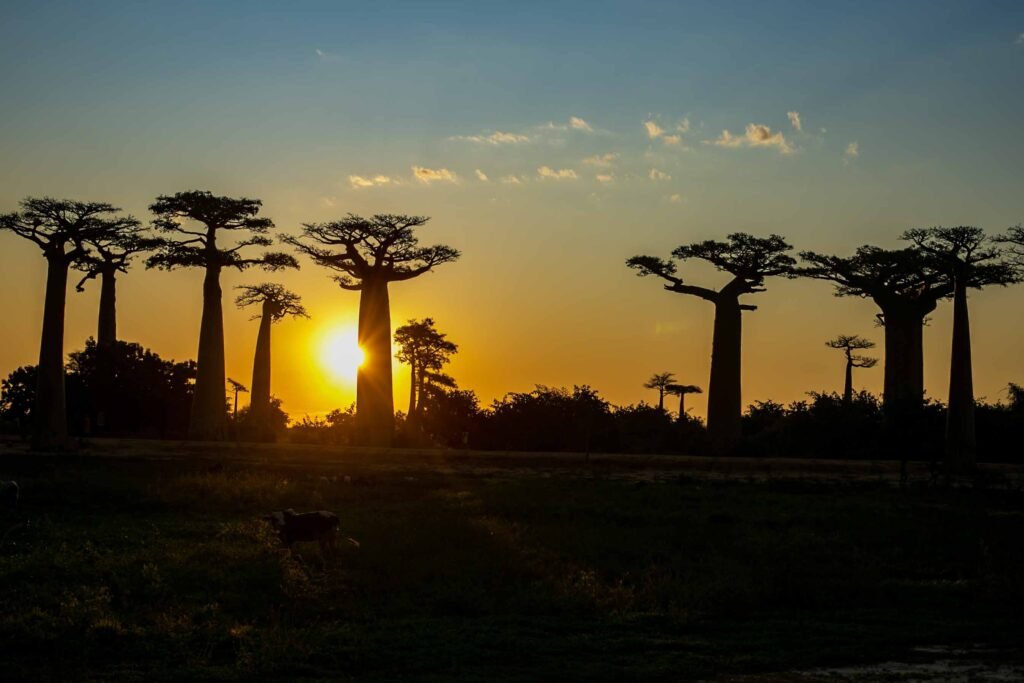
Madagascar Wildlife Guide: Where to See Lemurs & Unique Animals (2026) Introduction Madagascar is widely considered one of the most unique wildlife destinations on Earth. Located in the Indian Ocean off the southeastern coast of Africa, this island nation is a true natural laboratory of evolution. Due to its long isolation—separated from mainland Africa around 88 million years ago—Madagascar developed an extraordinary ecosystem where more than 90% of species are endemic. For travelers, this means one thing: you will see animals here that exist nowhere else in the world. From the famous lemurs and vividly colored chameleons to rare birds, unusual insects, and ancient baobab trees, Madagascar offers a wildlife experience that rivals the Galápagos Islands and the Amazon rainforest. Whether you are a nature enthusiast, photographer, or first-time visitor, this Madagascar wildlife guide (2026) will help you plan your trip with confidence. In this complete guide, you will discover: The best places to see wildlife in Madagascar Where to find specific animals (lemurs, chameleons, fossa) The best time to visit Detailed costs and budget planning Sample itineraries Practical travel tips Why Madagascar Is One of the Best Wildlife Destinations in the World Madagascar’s biodiversity is simply unmatched. Because the island evolved in isolation, it developed species that are both rare and highly specialized. Key Wildlife Facts 🐒 Over 110 species of lemurs, ranging from tiny mouse lemurs to large Indri 🦎 Around 50% of the world’s chameleons live in Madagascar 🐦 More than 300 bird species, many endemic 🐸 Hundreds of amphibians and reptiles 🌳 Unique plant life including baobabs and spiny forests Madagascar is also considered a global biodiversity hotspot, meaning it has exceptional levels of endemic species but is also under environmental threat. This makes eco-tourism and responsible travel especially important. Top Places to See Wildlife in Madagascar To fully experience Madagascar’s wildlife, you need to explore different regions. Each national park offers a distinct ecosystem and unique species. 1. Andasibe-Mantadia National Park (Best for First-Time Visitors) Located about 140 km from Antananarivo, Andasibe is the most accessible park and one of the best places to see lemurs. Wildlife Highlights Indri Indri (largest lemur, known for its loud calls) Diademed sifaka (beautiful white lemur) Bamboo lemurs Chameleons, frogs, and insects Nocturnal species during night walks Why Visit Andasibe offers one of the highest chances of spotting lemurs in Madagascar, making it perfect for beginners. Prices (2026) Entrance: $15–20 per person Guide: $10–15 per group Included Park entrance Guided wildlife walk Not Included Transport Accommodation 2. Ranomafana National Park (Rainforest & Biodiversity) Ranomafana is one of Madagascar’s most important conservation areas. Wildlife Highlights Golden bamboo lemur (critically endangered) Red-fronted brown lemur Rare birds and reptiles Diverse insect life Why Visit This park is ideal for travelers interested in deep rainforest exploration and biodiversity. Prices Entrance: $20 Guide: $15–20 3. Isalo National Park (Wildlife + Landscapes) Isalo is famous for its dramatic landscapes, offering a completely different environment compared to rainforests. Wildlife Highlights Ring-tailed lemurs Verreaux’s sifaka (known for “dancing” movement) Birds and reptiles Activities Hiking through canyons Swimming in natural pools Sunset viewpoints 4. Kirindy Forest (Best for Nocturnal Wildlife) Kirindy is one of the best places in Madagascar to see rare nocturnal animals. Wildlife Highlights Fossa (Madagascar’s top predator) Mouse lemurs (smallest primates in the world) Giant jumping rat Night-active reptiles and insects Why Visit Kirindy offers a rare chance to see species that are almost impossible to spot during the day. 5. Avenue of the Baobabs (Iconic Landscape) Although not a wildlife park, this location is one of Madagascar’s most famous natural landmarks. Highlights Massive baobab trees over 800 years old Stunning sunset views Nearby wildlife excursions (Kirindy Forest) 6. Nosy Be & Lokobe Reserve (Wildlife + Beaches) For those who want both wildlife and relaxation, Nosy Be is an excellent destination. Wildlife Highlights Black lemurs Panther chameleons Tropical birds Why Visit Perfect combination of nature exploration and beach Where to See Specific Animals in Madagascar Lemurs Andasibe → Indri Ranomafana → Bamboo lemur Isalo → Ring-tailed lemur Kirindy → Mouse lemur Fossa Kirindy Forest Chameleons Andasibe Ranomafana Nosy Be Baobabs Avenue of the Baobabs Best Time to Visit Madagascar for Wildlife Dry Season (April to November) Best for wildlife spotting Easier travel conditions Rainy Season (December to March) Lush scenery Difficult roads Best Months May to October → Ideal September to November → Baby lemurs How Much Does a Wildlife Trip Cost in 2026? Daily Budget Budget: $30–50/day Mid-range: $60–120/day Luxury: $150+/day Typical Costs Park entry: $15–25 Guide: $10–20 Car + driver: $50–80/day Domestic flights: $100–300 Sample Wildlife Itineraries 7-Day Itinerary Antananarivo Andasibe Short return 10-Day Itinerary Add Ranomafana 14-Day Itinerary Include Isalo + Kirindy + Baobabs Transportation in Madagascar Getting around Madagascar requires planning. Options Car with driver (recommended) Taxi-brousse (budget) Domestic flights (fastest) What to Pack for a Wildlife Trip Hiking shoes Insect repellent Sunscreen Light clothing Rain jacket Camera with zoom Responsible Wildlife Tourism Madagascar’s ecosystems are fragile and require protection. Best Practices Respect wildlife Avoid feeding animals Stay on marked trails Support local guides Choose eco-friendly accommodations FAQ: Madagascar Wildlife Guide Is Madagascar good for wildlife? Yes, it is one of the best destinations in the world for unique wildlife Where can I see lemurs? Andasibe, Ranomafana, Isalo, and Kirindy What is the best time to visit? May to October Do I need a guide? Yes, guides are required in most parks How long should I stay? 10 to 14 days is recommended Is Madagascar expensive? It can fit all budgets depending on your travel style Are lemurs dangerous? No, they are harmless Conclusion Madagascar is a dream destination for wildlife lovers. With its incredible biodiversity, unique ecosystems, and rare species, it offers one of the most unforgettable travel experiences on Earth. Whether you are exploring rainforests, spotting lemurs, or admiring ancient baobab trees, Madagascar promises an adventure like no other. Plan your 2026 trip today and discover one of the last untouched natural wonders in the world.

Blog

Visa

Visa, Entry Requirements and Vaccinations for Madagascar in 2026: Everything You Need to Know Complete Madagascar Travel Guide by Zamilane Travel Planning a trip to Madagascar in 2026 is an exciting decision. Known for its breathtaking landscapes, pristine beaches, and unique biodiversity, Madagascar is one of the most rewarding travel destinations in the world. However, before you can enjoy your journey, it is essential to understand the visa requirements, entry conditions, and health regulations. The good news is that Madagascar remains relatively easy to access for international travelers. Visa procedures are simple, health requirements are minimal, and entry regulations are clear. Still, proper preparation is key to ensuring a smooth and stress-free arrival. This comprehensive guide will walk you through everything you need to know about Madagascar visa requirements in 2026, entry rules, vaccination recommendations, and essential travel tips. Visa, Entry Requirements and Vaccinations for Madagascar in 2026: Everything You Need to Know Do You Need a Visa for Madagascar? Yes, most travelers visiting Madagascar will need a tourist visa. Fortunately, the process is designed to be straightforward and accessible. There are two main ways to obtain your visa: Visa on Arrival Most visitors can obtain their visa directly upon arrival at Madagascar’s international airports, including Antananarivo and Nosy Be. This option is simple and widely used by travelers. eVisa (Online Application) Alternatively, travelers can apply for an electronic visa before departure. This option is increasingly popular because it reduces waiting time at the airport and provides peace of mind before travel. For a smoother experience, applying for an eVisa in advance is highly recommended. Tourist Visa Duration and Fees Madagascar offers flexible visa options depending on the length of your stay: Up to 15 days: Free of charge Up to 30 days: Approximately €35 Up to 60 days: Approximately €40 Up to 90 days: Approximately €50 These fees are relatively affordable compared to other international destinations, making Madagascar an attractive option for long stays. Most travelers choose the 30-day visa, which provides enough time to explore several regions, including beaches, national parks, and cultural sites. Required Documents for Entry To enter Madagascar, you must present several essential documents. Preparing these in advance will ensure a smooth arrival process. Required documents include: A passport valid for at least six months beyond your arrival date At least one or two blank pages for visa stamps A return or onward flight ticket Proof of accommodation (hotel booking or travel itinerary) Evidence of sufficient financial means It is strongly recommended to carry printed copies of these documents, as digital versions may not always be accepted. Visa Extensions in Madagascar If you decide to extend your stay, it is possible to apply for a visa extension within Madagascar. Important points: Extensions must be requested before your visa expires Applications are processed at immigration offices Processing times can vary Overstaying your visa without extension may result in fines or administrative complications when leaving the country. Important Visa Rules to Know Tourist visas are strictly for tourism purposes Paid work or business activities are not allowed Long-term stays require specific visa categories Understanding these rules will help you avoid legal issues during your trip. 🛃 Entry Requirements for Madagascar Passport Conditions Your passport must meet the following requirements: Valid for at least 6 months In good physical condition Contains blank pages Failure to meet these requirements may result in denied entry. Arrival Process at the Airport Upon arrival in Madagascar, travelers go through a standard immigration process: Presentation of passport and visa Verification of travel documents Entry stamp issuance In some cases, travelers may be asked to provide additional information about their stay. Proof of Travel Plans and Funds Although not always requested, immigration officers may ask for: Hotel reservations Return ticket Proof of financial means Being prepared with these documents will make the process faster and easier. 💉 Vaccinations and Health Requirements for Madagascar Are Vaccinations Mandatory? For most travelers, no vaccines are mandatory for entry into Madagascar. This makes it an accessible destination compared to many other countries. However, there is one key exception. Yellow Fever Vaccination Requirement A yellow fever vaccination certificate is required only if: You are traveling from a country where yellow fever is present You have transited through such a country for more than 12 hours If this applies to you, you must present proof of vaccination upon arrival. Recommended Vaccinations While not required, several vaccines are recommended to ensure a safe trip. Routine Vaccinations: Tetanus Diphtheria Measles Travel Vaccinations: Hepatitis A Hepatitis B Typhoid These recommendations depend on your travel plans, especially if you intend to visit rural or remote areas. Malaria Prevention in Madagascar Malaria is present in many parts of Madagascar, particularly in coastal regions. Prevention tips: Consult a doctor for preventive medication Use mosquito repellent regularly Wear long sleeves in the evening Sleep under mosquito nets when necessary The risk is lower in highland areas such as Antananarivo. General Health Advice To stay healthy during your trip: Drink bottled or purified water Avoid raw or undercooked food Protect yourself from sun exposure Carry basic medical supplies Purchase travel insurance Healthcare facilities are available in major cities but may be limited in rural areas. 🧳 What to Pack for Madagascar Packing properly is essential for a comfortable and safe trip. Essentials: Lightweight clothing suitable for warm climates Swimwear Sunscreen (high SPF) Hat and sunglasses Recommended items: Insect repellent Personal medications Travel insurance documents Power adapter Packing wisely will enhance your overall travel experience. ✈️ Travel Logistics and Entry Tips Madagascar is a large island with varying infrastructure. Planning your travel logistics carefully is essential. Transportation includes: International flights to Antananarivo or Nosy Be Domestic flights to remote regions Boat transfers for island destinations 4×4 vehicles for certain routes Working with a local agency like Zamilane Travel ensures smooth coordination. 📅 Best Time to Travel to Madagascar Understanding the climate will help you plan your trip effectively. Best Season: April to November (dry season, ideal weather) Rainy Season: January to March (cyclones possible) Whale Watching: July to September (Sainte-Marie) ⚠️ Common Travel

Madagascar itinerary
Blog

Madagascar Itinerary for 10, 15 or 20 Days

Madagascar Itinerary for 10, 15 or 20 Days: The Best Routes Based on Your Budget Complete Travel Guide by Zamilane Travel Madagascar is not a destination you simply visit — it is a country you explore step by step. With its vast size, diverse ecosystems, and sometimes challenging logistics, planning your itinerary carefully is essential to fully enjoy your experience. From tropical beaches and coral reefs to rainforests filled with lemurs and iconic baobab landscapes, Madagascar offers one of the most diverse travel experiences in the world. However, distances are long, infrastructure varies, and travel times can be unpredictable. This is why choosing the right itinerary based on your available time and budget is critical. In this guide, we present the best Madagascar itineraries for 10, 15, and 20 days, with detailed day-by-day planning to help you travel efficiently, avoid common mistakes, and enjoy a seamless journey. ✈️ How to Plan Your Madagascar Trip Efficiently Before choosing your itinerary, you need to understand one important reality:  Madagascar is huge, and travel takes time Even short distances can take several hours due to road conditions. Domestic flights are often the best option for long routes, especially if you want to maximize your experience. Key planning principles: 10 days → focus on one region 15 days → combine two regions 20 days → explore multiple ecosystems Trying to do too much will reduce the quality of your trip. 💰 Travel Budget Levels in Madagascar Your itinerary will also depend on your travel budget. Budget (€30–50/day) Basic guesthouses Shared transport Limited comfort Mid-range (€80–150/day) Comfortable hotels Private transfers Some domestic flights Luxury (€200+/day) Boutique lodges Flights included Private guide and driver 🗺️ 10-Day Madagascar Itinerary Best for: Beach Relaxation and First-Time Visitors If you have 10 days, the best option is to stay in one region. The Nosy Be archipelago is ideal because it offers beaches, excursions, and easy access. 📅 Detailed 10-Day Itinerary Day 1: Arrival in Nosy Be Upon arrival at Nosy Be airport, you will be welcomed and transferred to your hotel. After check-in, you can relax by the beach or enjoy a quiet dinner with an ocean view. Day 2: Discover Nosy Be Island Start your day exploring Andilana Beach, one of the most beautiful beaches on the island. In the afternoon, visit local markets to discover Malagasy products and culture. End your day with a sunset at Mont Passot, offering panoramic views. Day 3: Excursion to Nosy Iranja This is one of the highlights of your trip. After a boat transfer, you will reach Nosy Iranja, famous for its white sandbank connecting two islands. Spend the day swimming, walking, and enjoying a fresh seafood lunch. Day 4: Nosy Tanikely and Nosy Komba Head to a marine reserve for snorkeling among coral reefs and tropical fish. Later, visit Nosy Komba, known for its handicrafts and local village atmosphere. Day 5: Nosy Sakatia Experience This peaceful island offers a unique opportunity to swim with sea turtles in their natural habitat. The calm environment makes it perfect for relaxation. Day 6–7: Relaxation Days Enjoy free time at your hotel. Optional activities include diving, fishing, or spa treatments. Day 8: Cultural Discovery Explore the inland areas of Nosy Be, visiting plantations and local villages. Day 9: Private Island Tour Take a personalized excursion to lesser-known islands for a more exclusive experience. Day 10: Departure Transfer to the airport for your international flight. Why This Works Minimal travel time Relaxing pace Perfect introduction to Madagascar 🗺️ 15-Day Madagascar Itinerary Best for: Beaches + Wildlife With 15 days, you can combine Madagascar’s two major highlights: coast and rainforest. 📅 Detailed 15-Day Itinerary Days 1–5: Nosy Be Follow the 10-day itinerary highlights, including island excursions and relaxation. Day 6: Flight to Antananarivo Transfer to the airport and fly to the capital. Overnight stay. Day 7: Transfer to Andasibe Drive east through scenic landscapes to Andasibe National Park. Day 8: Andasibe National Park Spend the day exploring the rainforest. You will have the chance to see the Indri Indri, the largest lemur, along with other wildlife. Day 9: Night Walk Experience In the evening, join a guided walk to observe nocturnal animals such as chameleons and small lemurs. Day 10: Return to Antananarivo Drive back to the capital and relax. Day 11–12: Cultural Exploration Visit local markets, historical sites, and nearby villages. Day 13–14: Optional Extension You can extend your stay with additional excursions or return to a beach destination. Day 15: Departure Why This Itinerary is Ideal Combines nature and beaches Rich and varied experience Balanced travel pace 🗺️ 20-Day Madagascar Itinerary Best for: Complete Exploration With 20 days, you can discover Madagascar in depth. 📅 Detailed 20-Day Itinerary Days 1–2: Antananarivo Arrival and exploration of the capital, including markets and cultural landmarks. Days 3–5: Andasibe Explore the rainforest, observe lemurs, and enjoy guided walks. Days 6–8: Morondava Fly to Morondava and visit the famous Avenue of the Baobabs. Sunset here is unforgettable. Days 9–12: Southwest Coast Travel to Ifaty and Anakao. Enjoy wild beaches and discover traditional fishing communities. Days 13–16: Nosy Be Relax in a more comfortable beach setting and enjoy island excursions. Days 17–19: Sainte-Marie Fly to Sainte-Marie for whale watching (seasonal) and peaceful beaches. Day 20: Departure Why 20 Days is the Best Option Complete Madagascar experience Less stress and more depth Maximum diversity Transportation Tips Use domestic flights for long distances Avoid long road trips without planning Choose private transfers when possible Accommodation Options Budget: €20–50 Mid-range: €70–150 Luxury: €150–400+ Must-Do Activities Snorkeling and diving Lemur tracking Whale watching Baobab photography Best Time to Visit April to November: best season July–September: whale watching Common Mistakes Overloading itinerary Ignoring distances Not planning logistics Why Travel with Zamilane Travel Zamilane Travel helps you: Optimize your itinerary Manage logistics Travel safely and comfortabl ❓ FAQ How many days do I need? 10–20 days depending on your goals Best route? Nosy Be + one or two regions 🌴 Conclusion Madagascar offers one of the most rewarding travel experiences in

Blog

Top 10 for a Dream Trip

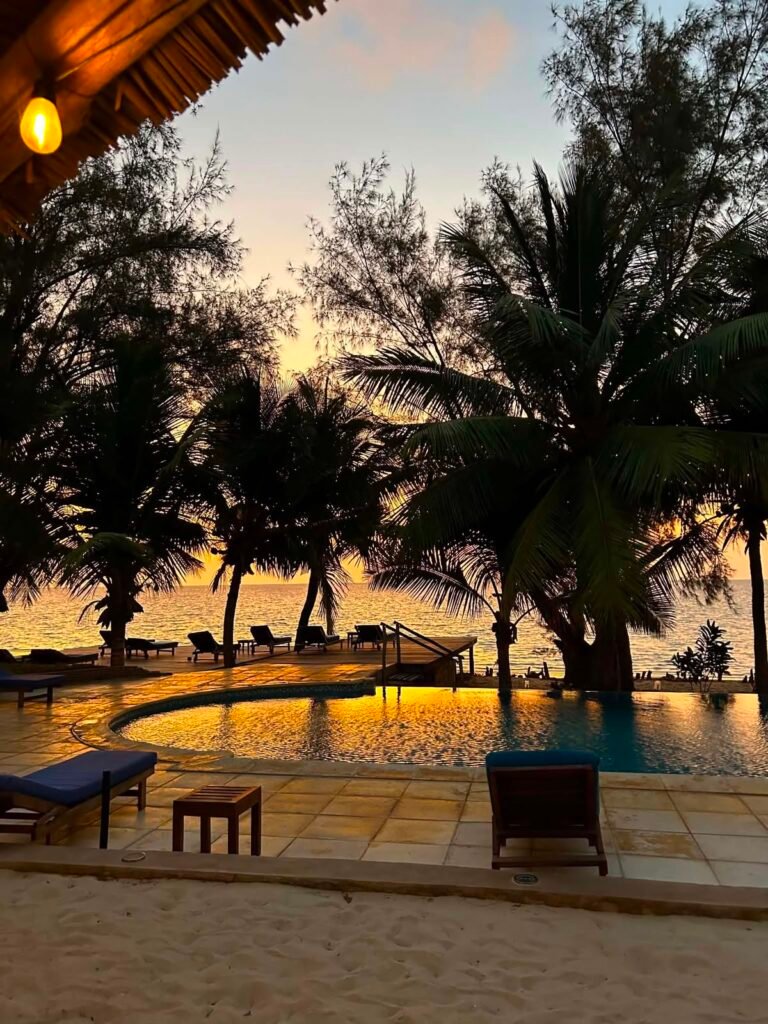
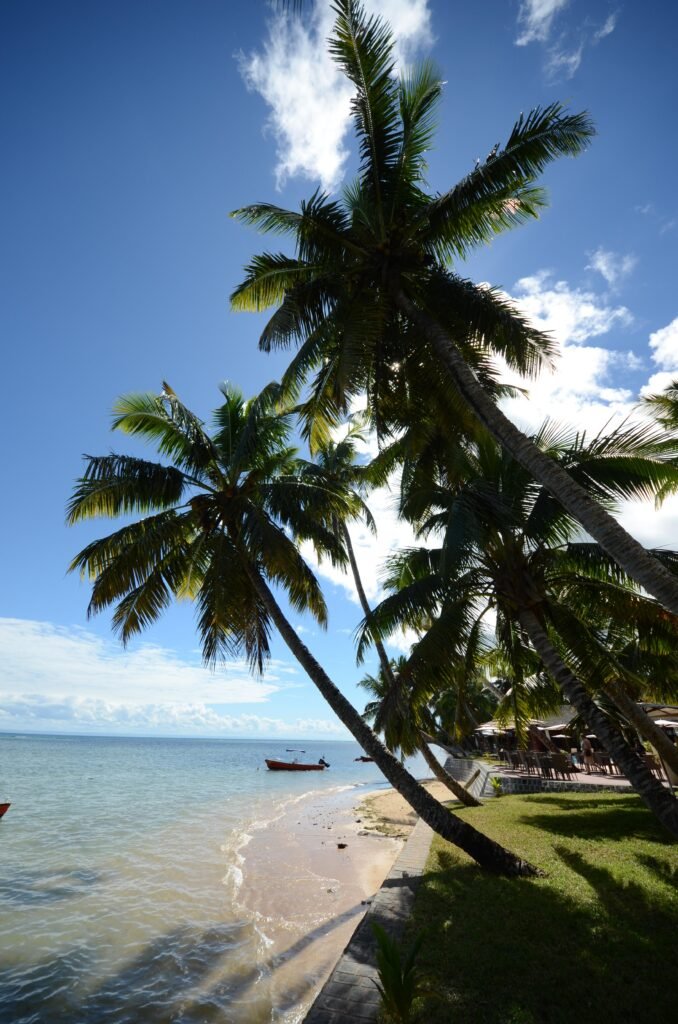
The Most Beautiful Beaches in Madagascar: Top 10 for a Dream Trip Complete Travel Guide by Zamilane Travel Madagascar is one of the most extraordinary beach destinations in the world. Located in the Indian Ocean, this vast island offers more than 5,000 kilometers of coastline, featuring untouched beaches, crystal-clear waters, and breathtaking landscapes. Unlike more commercial destinations such as the Maldives or Seychelles, Madagascar remains authentic, diverse, and relatively unexplored. For international travelers seeking a mix of relaxation, adventure, and cultural immersion, Madagascar is an exceptional choice. Whether you are planning a honeymoon, a luxury escape, or a nature-focused journey, the island offers a unique combination of experiences that cannot be found anywhere else. At Zamilane Travel, we specialize in designing tailor-made trips that allow you to explore the most beautiful beaches in Madagascar with comfort, safety, and expert local guidance. This guide presents the top 10 beaches, along with practical travel information, pricing, and expert tips to help you plan your dream trip. 🏝️ Top 10 Most Beautiful Beaches in Madagascar 1. Nosy Iranja – The Ultimate Paradise Beach Nosy Iranja is widely considered the most beautiful beach in Madagascar. Located about 90 minutes by boat from Nosy Be, it is famous for its spectacular white sandbank connecting two islands. At low tide, visitors can walk from one island to the other, surrounded by turquoise water. The setting is pristine and ideal for photography, swimming, and relaxation. The island is also a nesting site for sea turtles, adding to its ecological importance. Price: €70 – €120 per person (day trip) Included: Boat transfer, lunch, guide Best for: Honeymoon, luxury, photography 2. Nosy Sakatia – A Peaceful Natural Escape Nosy Sakatia is a quiet island located near Nosy Be. It offers a more authentic and less crowded experience compared to other destinations. The island is known for its preserved marine life and is one of the best places in Madagascar to swim with sea turtles. The beaches are calm, the atmosphere is relaxed, and the local community adds cultural richness to the experience. Price: €40 – €80 per personIncluded: Boat transfer, snorkelingBest for: Couples, eco-tourism, relaxation 3. Nosy Tanikely – A Marine Reserve for Snorkeling Nosy Tanikely is a protected marine park and one of the top snorkeling destinations in Madagascar. The underwater ecosystem is rich and diverse, featuring coral reefs, tropical fish, and crystal-clear waters. It is an ideal destination for both beginners and experienced snorkelers. Price: €40 – €80 per personIncluded: Boat transfer, snorkelingBest for: Couples, eco-tourism, relaxation 4. Andilana Beach – Luxury and Comfort Located in Nosy Be, Andilana Beach is known for its soft white sand, calm waters, and high-end resorts. It is one of the most developed beach areas in Madagascar, offering a wide range of services for international travelers. The sunsets here are particularly impressive, making it a perfect spot for romantic stays. Price: €120 – €300 per nightBest for: Luxury travelers, couples 5. Anakao – Wild Beaches and Authentic Culture Anakao is a remote coastal village located in southwest Madagascar. Accessible only by boat from Tuléar, it offers a truly unique experience combining wild beaches and local culture. Visitors can discover the traditional lifestyle of the Vezo fishing community while enjoying untouched coastal landscapes. Price: €60 – €150 per nightTransfer: €30 boatBest for: Adventure, cultural immersion 6. Ifaty – Relaxation and Lagoon Experience Ifaty is a coastal destination known for its calm lagoon and relaxed atmosphere. It is ideal for travelers looking for a peaceful beach experience. The area also offers access to baobab forests and local villages, making it a great destination for combining nature and relaxation. Price: €50 – €120 per nightBest for: Families, relaxation 7. Salary Bay – Exclusive and Remote Salary Bay is one of Madagascar’s best-kept secrets. This remote destination offers pristine beaches, turquoise waters, and a sense of exclusivity. It is ideal for travelers seeking privacy and high-end experiences away from crowds. Price: €100 – €250 per nightBest for: Luxury, exclusivity 8. Nosy Komba – Nature and Tranquility Nosy Komba is a volcanic island located near Nosy Be. Covered in lush vegetation, it offers a peaceful environment perfect for relaxation and nature exploration. The island is also known for its handicrafts and local traditions. Price: €40 – €100 per nightBest for: Eco-tourism, nature lovers 9. Sainte-Marie – Beaches and Whale Watching Sainte-Marie Island is located on the east coast of Madagascar and is famous for whale watching. Between July and September, humpback whales migrate through the area, offering a spectacular natural experience. The island also features beautiful beaches and a laid-back atmosphere. Price: €50 – €100 per tourBest for: Wildlife, nature 10. Ramena Beach – Local Life and Culture Ramena Beach, near Diego Suarez, offers a lively and authentic Malagasy atmosphere. It is a great place to experience local culture, food, and music while enjoying a beautiful coastal setting. Price: €20 – €50Best for: Cultural experience 🏨 Accommodation Guide by Region Madagascar offers a wide range of accommodations to suit different budgets Nosy Be Luxury resorts and boutique hotels (€80 – €300/night) Southwest (Anakao, Ifaty) Eco-lodges and mid-range hotels (€60 – €150/night) Sainte-Marie Beach hotels and guesthouses (€50 – €150/night) 🌊 Activities and Experiences Madagascar’s beaches offer more than just relaxation Water Activities Snorkeling Scuba diving Whale watching Fishing Nature Activities Baobab exploration Wildlife tours Island hopping Cultural Experiences Village visits Traditional fishing Malagasy cuisine ✈️ Travel Logistics in Madagascar Traveling in Madagascar requires planning due to distances and infrastructure. Transport Options Domestic flights Boat transfers 4×4 vehicles Working with a local expert ensures smooth logistics.  Zamilane Travel manages all travel arrangements for a stress-free experience. 📅 Best Time to Visit April to November: Dry season July to September: Whale watching January to March: Rainy season (avoid) 🧳 What to Pack Light clothing Sunscreen Swimwear Insect repellent Travel insurance ⚠️ Common Mistakes to Avoid Underestimating travel time Not booking in advance Ignoring weather conditions 💰 Madagascar vs Other Beach Destinations Madagascar offers better value compared to other tropical destinations. Advantages Lower prices Authentic experiences Less crowded 🧭 Suggested Itineraries 7 Days Nosy Be + Nosy Iranja 10 Days Nosy Be + surrounding

Madagascar travel budget 2026
Blog

Madagascar Travel Budget 2026

How Much Does a Trip to Madagascar Cost in 2026? Complete Budget Guide Are you planning a trip and wondering how much a trip to Madagascar costs in 2026? Good news: this destination remains affordable, but the budget can vary greatly depending on your travel style, your itinerary, and your choices on site. Between the cost of the flight, accommodation, food, transport, and activities, it is essential to anticipate every expense to avoid unpleasant surprises. Madagascar is a large island with sometimes limited infrastructure, which directly impacts costs. In this complete guide, you will discover:👉 The detailed budget for Madagascar in 2026👉 The real cost of each expense👉 Concrete examples based on your profile👉 Mistakes to avoid and tips to save money 🌍 Madagascar travel budget: overall overview Before going into details, here is a general estimate: 💰 Average budget per person (2 weeks)• 🧳 Low budget: €1200 to €1600• 🧳 Mid-range budget: €2200 to €3000• 🧳 Comfort/luxury budget: €3500 to €6000 👉 The cost mainly depends on 3 elements:• The international flight• The type of accommodation• The mode of transport on site ✈️ Flight price to Madagascar in 2026 Le billet d’avion représente souvent 40 à 60 % du budget total 💸Average round-trip prices • Flight with stopover: €750 to €950• Standard flight: €900 to €1200• Direct or premium flight: €1200 to €1600 👉 Realistic average price: €1000 📅 When to pays less ? • March to June → low prices• September to November → good compromise• July – August / December → very expensive 💡 Tips to save money • Book 4 to 6 months in advance• Avoid school holidays• Use flight comparison websites 🏨 Accommodation budget in Madagascar Madagascar offers excellent value for money 🛏️ Price per night 🔹 Low budget • Hostel: €5 to €15• Basic hotel: €10 to €25 🔹 Mid-range • 2–3 star hotel: €30 to €70 🔹 High-end • Lodge / luxury hotel: €100 to €300 📊 Budget for 2 weeks Budget €150 to €300 Mid-range €400 to €900 Luxury €1500+ 🍽️ Food budget in Madagascar Food is very affordable 🍛 Average prices • Street food: €1 to €3• Local restaurant: €3 to €6• Tourist restaurant: €8 to €20 💰 Daily budget • Budget: €5• Mid-range: €10 to €15• Comfort: €20 to €30 🚗 Transport budget in Madagascar Food is very affordable 🚌 Local transport • Taxi-brousse: €5 to €15 (long trip)• Urban bus: less than €1 🚖 Taxi • Short ride: €2 to €5 🚙 Car renta • €30 to €80 / day• Driver often recommended 🎟️ Activities and excursions budget 💸 Average prices• National park: €5 to €15• Guide: €10 to €25• Excursion: €20 to €80 📊 Daily budget in Madagascar • Budget: €20 to €40• Mid-range: €50 to €100• Luxury: €150+ 📅 Budget depending on trip duration 🗓️ 1 week • Budget: €700• Mid-range: €1200• Luxury: €2500 🗓️ 2 weeks • Budget: €1500• Mid-range: €2500• Luxury: €4000 🗓️ 3 weeks • Budget: €2000• Mid-range: €3500• Luxury: €6000 📍 Budget depending on regions Nosy Be 👉 More expensive (touristic) Antananarivo 👉 Moderate prices South Madagascar 👉 Very affordable 🧳 Concrete budget example (2 weeks 👇 Couple trip • Flights: €2000• Hotel: €700• Food: €300• Transport: €400• Activities: €300 👉 Total: €3700 for 2 people 💰 Hidden costs to consider • Visa: around €35• Travel insurance: €50 to €150• Tips• Souvenirs ❌ Mistakes to avoid • Underestimating distances• Neglecting transport• Traveling during cyclone season• Booking at the last minute 💡 Tips to reduce your budget • Travel off-season• Eat local• Share transport• Book in advance 🌍 Comparison with other destinations • Cheaper than Europe• Cheaper than South Africa• Comparable to some Asian countries ❓ FAQ – Madagascar budget How much does a trip to Madagascar cost? 👉 €1500 to €4000 depending on the level Is it expensive? 👉 No, except for the flight Budget for 2 weeks? 👉 €2000 to €3000 🧭 Conclusion Traveling to Madagascar in 2026 is affordable, provided you plan your budget well. The island offers excellent value for money, with unique landscapes and an authentic experience. 👉 To optimize your budget:• Plan ahead• Compare prices• Adapt your travel style Madagascar remains an exceptional destination, whether you travel on a low budget or in comfort.

when to go to Madagascar
Blog

Best Time to Visit Madagascar 2026

When to Go to Madagascar? Month-by-Month Climate (Complete Guide 2026) Are you wondering when to go to Madagascar depending on the month-by-month climate? Between the dry season, rainy season, cyclones, and regional variations, choosing the right period can make the difference between a successful trip and a difficult experience. Madagascar is a unique destination in the world, known for its exceptional biodiversity, paradise beaches, and spectacular landscapes. But its tropical climate, sometimes unpredictable, requires good preparation. In this complete guide, discover: The best time to visit Madagascar The month-by-month climate Regional differences Practical tips to optimize your trip 🌍 Climate in Madagascar: understand before you go Before choosing your travel dates, it is essential to understand how the Malagasy climate works 🌧️ Rainy season (November to April) This period corresponds to the southern summer. Main characteristics: High temperatures (25 to 35°C) High humidity Frequent, sometimes heavy rainfall Cyclone risk (January to March) 👉 This season strongly affects transportation, especially secondary roads ☀️ Dry season (May to October) This is the most favorable period for travel. Conditions: Pleasant temperatures (18 to 28°C) Low humidity Very little rain Good accessibility to sites 👉 This is clearly the best time to visit Madagascar. 🌎 Climate in Madagascar by region The climate varies greatly depending on the geographical area. This diversity is due to the relief and wind influence East Coast: humid all year round Frequent rainfall Dense vegetation Humid tropical climate 👉 Ideal for lovers of lush nature. ☀️ West Coast: dry and sunny Little rain Strong sunshine High temperatures 👉 Perfect for beaches and tourist circuits 🌵 South of Madagascar: arid Semi-desert climate Very little rainfall Unique landscapes 👉 Ideal for authentic travel experiences 🌄 Highlands (Antananarivo) Temperate climate Cool nights Strong temperature variations 👉 Ideal region for cultural circuits 📅 Madagascar climate month by month Here is a detailed analysis of the weather in Madagascar month by month January: intense heat and heavy rains 🌡️ 26 to 32°C 🌧️ High rainfall 🌪️ Cyclone risk 👉 Travel is difficult.👉 Not recommended for a first trip February: peak rainy season 🌡️ Very hot 🌧️ Heavy rains 🌪️ Frequent cyclones 👉 The least recommended month March: gradual improvement 🌡️ Hot 🌧️ Still rainy 🌿 Green landscapes 👉 Good option at the end of the month April: ideal transition Pleasant temperatures Decreasing rainfall Excellent time to travel. May: beginning of the dry season 🌡️ 20 to 28°C ☀️ Dry weather 🌿 Still green landscapes 👉 Very good month to visit Madagascar June: stable climate 🌡️ Cool temperatures ☀️ Sunny 👉 Ideal for hiking and parks July: high season 🌡️ Moderate temperatures ☀️ Dry weather 🐋 Whale watching 👉 High tourist attendance August: perfect conditions 🌡️ Pleasant weather ☀️ Constant sunshine 👉 Excellent for beaches and nature September: best overall month 🌡️ Mild temperatures ☀️ Dry season 👥 Fewer tourists 👉 Ideal travel period October: rising heat 🌡️ Increasing temperatures ☀️ Still dry climate 👉 Very good compromise November: return of humidity 🌡️ Hot 🌧️ Start of rainy season 👉 Travel possible in early November December: tropical heat  High temperatures 🌧️ Frequent rains 👉 Unstable weather but festive atmosphere. ⭐ Best time to visit Madagascar ✔️ Quick summary: ✅ Best period: May to October ✅ Ideal: September and October ❌ To avoid: January to March 🎯 When to go depending on activities 🏖️ For beaches May to November North and West recommended 🥾 For hiking June to September 🐋 For whale watching July to Septembe 🌿 For nature April to June 🧳 Practical travel tips 🎒 What to pack Light clothes Windbreaker Hiking shoes Sunscreen Mosquito repellent 🚗 Transport Roads sometimes difficult Allow extra travel time 4×4 recommended outside cities 💊 Health Recommended vaccines Mosquito protection essential ❌ Mistakes to avoid Traveling during cyclone season Underestimating distances Ignoring weather conditions 💰 When is it cheaper to travel? March April November 👉 Fewer tourists = lower prices 📍 Where to go depending on the season Dry season Avenue of the Baobabs Tsingy de Bemaraha Nosy Be Rainy season East coast (lush nature) Tropical parks ❓ FAQ – When to go to Madagascar? What is the best period? 👉 May to October Can you travel all year round? 👉 Yes, with adaptation. Which month to choose? 👉 September is ideal. 🧭 Conclusion Choosing when to go to Madagascar depends on your travel plans, but one thing is certain: 👉 The period from May to October is the most favorable. With great weather, excellent accessibility, and ideal conditions to explore the whole island. However, each season has its advantages. The rainy season offers spectacular landscapes, while the dry season guarantees comfort and safety. Madagascar is a rich, authentic, and unforgettable destination that deserves to be discovered at the right time

Madagascar travel guide 2026
Blog

Madagascar Travel Guide 2026

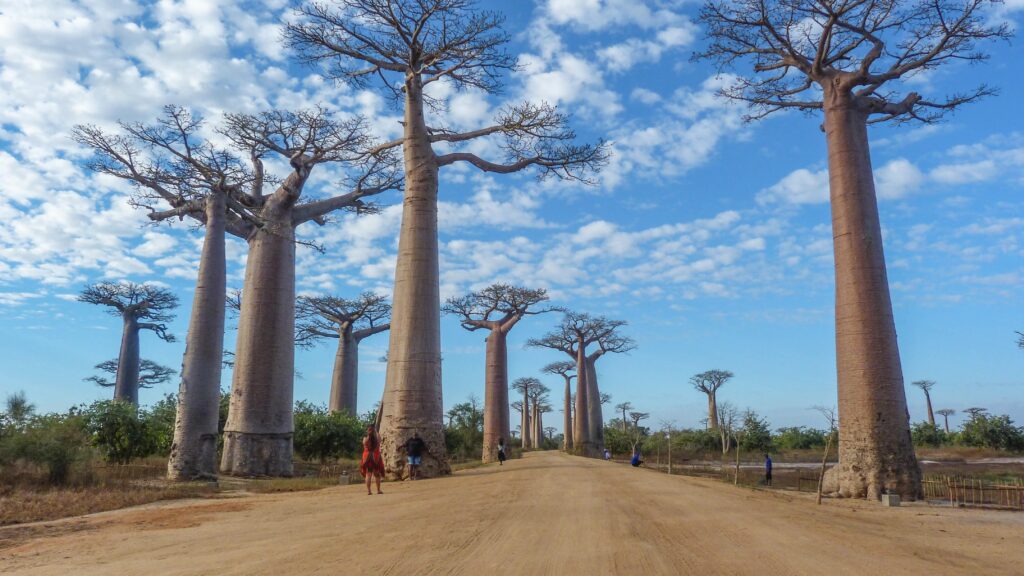
What to Do in Madagascar for a First Trip? (Complete Guide 2026) Madagascar is a destination that makes people dream… but also raises curiosity. Between spectacular landscapes, unique biodiversity in the world, and authentic culture, the Red Island promises a completely different experience from anything you have known. But a question often comes up: what to do in Madagascar for a first trip? If you are preparing your trip for 2026, this complete guide will help you to:• discover must-see places• organize your itinerary• avoid common mistakes• live an unforgettable experience 🌍 Why choose Madagascar for a first trip? Madagascar is not a classic tourist destination. It is an adventure 🌿 An exceptional biodiversity Madagascar is one of the richest countries in the world in biodiversity:• 90% of species are endemic• Unique animals such as lemurs• Plants found nowhere else 👉 If you love nature, it is a paradise 🏝️ Incredibly varied landscapes In just a few days, you can see:• Tropical beaches• Mountains• Lush forests• Unique rock formation 🤝 An authentic human experience Malagasy people are welcoming, smiling and warm. Traveling here is also about living meaningful encounters 🗺️ What to do in Madagascar: must-sees 🌴 1. The Avenue of the Baobabs: the symbol of Madagascar 🌴 1. The Avenue of the Baobabs: the symbol of MadagascarImpossible to talk about Madagascar without mentioning this mythical place. Why visit?• Unique landscape in the world• Ideal for photography• Magical atmosphere at sunset 👉 It is one of the best spots if you are looking for what to do in Madagascar for a first trip 🐒 2. See lemurs in their natural habitat Where to observe them?• Andasibe-Mantadia National Park• Ranomafana National Park• Anja Reserve What makes the experience unique:• Close contact with animals• Passionate local guides• Discovery of other species (chameleons, birds) 🌊 3. Enjoy the beaches of Nosy Be Nosy Be is the perfect destination to relax. Must-do activities:• Snorkeling• Scuba diving• Excursions to nearby islands• Whale watching 👉 It is the ideal place to complete your trip 🪨 4. Explore the Tsingy of Bemaraha (UNESCO site) A spectacular landscape made of rock formations. Good to know:• Unique site in the world• Impressive hikes• Difficult access 👉 To do if you love adventure 🚗 5. Travel along the famous RN7 The RN7 is the classic itinerary to discover Madagascar. What you will see:• Typical villages• Rice fields• Mountains• Natural parks 👉 It is the best way to see the diversity of the country 6. Discover Isalo National Park One of the most beautiful landscapes in Madagascar. Not to miss:• Natural pools• Rock canyons• Spectacular sunsets 🏙️ 7. Visit Antananarivo (the capital) Even if it is often overlooked, the capital deserves a visit. To see:• The Queen’s Palace• Local markets• Historic neighborhoods 🧭 Ideal itinerary for a first trip to Madagascar (10 to 15 days) ✈️ Days 1–2: Antananarivo • City discovery• Adaptation to the country 🌳 Days 3–4: Andasibe • Lemur observation• Forest walk 🚗 Days 5–9: RN7 • Antsirabe• Ranomafana• Isalo 🌊 Days 10–15: Nosy Be • Beaches• Excursions• Relaxation 👉 This itinerary is perfect for a balanced first trip 💰 Budget for a trip to Madagascar Madagascar remains affordable compared to other destinations. 💵 Average budgetType – PriceAccommodation – 10€ to 100€Meals – 3€ to 10€Transport – variable 👉 Tip: hiring a driver-guide can be very cost-effective 🍛 What to eat in Madagascar? Malagasy cuisine is simple but tasty. Typical dishes:• Romazava• Ravitoto• Zebu• Fresh fish Drinks:• Natural juices• Rum arrangé 🧳 Practical tips for a successful first trip 📅 Best period• April to November (dry season) ⚠️ To avoid• January to March (rainy season) 🛂 Formalities• Visa on arrival• Valid passport 💊 Health• Mosquito repellent• Recommended vaccines ⚠️ Mistakes to avoid on a first trip • Wanting to see everything too fast• Underestimating distances• Not planning• Ignoring local culture 👉 Madagascar is meant to be discovered slowly 🚕 How to travel in Madagascar? Options:• Taxi-brousse (economical)• Car with driver (recommended)• Domestic flights 👉 Advice: prioritize comfort to save time 🌟 Why Madagascar will stay with you for life Madagascar is an experience, not just a trip. You will:• Discover unique nature• Live authentic moments• Get out of your comfort zone 🧠 Conclusion: what to do in Madagascar for a first trip? In summary, if you are wondering what to do in Madagascar, focus on:• Baobabs• Lemurs• RN7• Nosy Be 👉 Combine nature, adventure and relaxation for a perfect trip. Madagascar is a destination that is not just visited… it is felt ❓ FAQ: What to do in Madagascar What is the most beautiful place in Madagascar? The Tsingy, Nosy Be and the Avenue of the Baobabs are the most impressive. How many days to visit Madagascar? 10 to 15 days minimum. Is it safe to travel to Madagascar? Yes, with caution and organization What budget to plan? Between 500€ and 1500€ depending on travel style.

Tourism in Toamasina pos-cyclone
Blog

Tourism in Toamasina post-cyclone

What can visitors do in Tamatave after the passage of Cyclone Gezani? A phrase you hear every day from the people of Tamatave today is: “Toamasina used to be a very lively city, with the most beautiful avenue in Madagascar, lined with coconut trees…” As a result, some foreigners are beginning to wonder if anything is left there. Tourists may question whether they should go elsewhere, thinking that visiting Toamasina is now pointless. However, Zamilane Tours is here to remind you that, despite the damage, there are still beautiful places to visit around the city, and we are going to prove it in this article! Trip to Foulpointe Beach It is true that the seafront in Toamasina currently doesn’t offer a very nice view. But going to Toamasina without visiting Foulpointe is almost like not going there at all. Why? Because even in the past, when people were too exhausted from work, they would always go to Foulpointe to relax. This beach is also considered Tamatave’s, as it is located just a few kilometers from the port city. So, if you think there are no more places to visit, that’s wrong. Come and see everything the city still has to offer! Relax peacefully at Ankanin’ny Nofy The cyclone hit Toamasina hard, yes, we do not deny it and the damage is extensive. But let’s talk about Ankanin’ny Nofy. This place has always been a must-visit when coming to Tamatave. What to see? The question doesn’t even arise, because its treasures are abundant. For those motivated to explore nature, this place offers fresh air and a unique biodiversity. Visit to the Bazary Be So, what do you think of this visit? You might think it’s just a simple market with little to see. Yet, that’s completely wrong! The place itself is already one of the iconic symbols of the city of Toamasina. If you’ve heard that everything was destroyed here in Tamatave, this market is proof that it isn’t true. It remains one of the landmarks confirming that you have truly arrived in Toamasina. Why? Because Bazary Be has existed for a long time and continues to bring life to the city. The products found there are unique, made by local artisans, and you can take some home as souvenirs

Blog

Sainte-Marie, Madagascar

Where is Sainte-Marie Island located? Sainte-Marie Island? But which island are we talking about? Santa María Island in Chile? Sainte-Marie Island in Canada? Sainte-Marie Island in the Azores archipelago? Or the one in Madagascar? Of course, we are talking about Sainte-Marie Island in Madagascar! But why take an interest in this island? We assure you, it is truly worth it. Sainte-Marie is an island located north of Soanierana Ivongo, in Madagascar. The island was formerly known as Nosy Ibrahim and is now called Nosy Boraha Reasons to visit Sainte-Marie Island, Madagascar Paradisiacal beaches Yes, there are indeed places offering particularly attractive beaches, such as those on Île aux Nattes, Ampanihy, Ambodifotatra, and others. These are all locations where one can admire the beaches of Sainte-Marie. Each offers a paradisiacal setting, but what makes them even more appealing is that every site has its own unique landscape. That is why one cannot be satisfied with visiting just one beach and claim to have seen all the beaches of Sainte-Marie: no two are alike. It is even possible to observe whales from these beaches during their migration season. Pirates’ Cemetery Sainte-Marie and the Pirates’ Cemetery, a fascinating place! Just a few kilometers from the main village of Ambodifotatra lies this famous tourist site. Whether you go by bike, motorbike, or on foot, the site is easily accessible. The most enjoyable way is on foot, allowing you to admire the beauty of the landscape and the stunning views. There, you will discover the place where pirates once lived, now transformed into their own historic cemetery Ampanihy Bay and its Mangroves Ampanihy Bay is a place located between the sea and the forest. It is somewhat isolated and slightly wild, yet it captures the eye and makes you want to return. The bay is particularly appreciated for its mangroves, which can be explored by canoe, following the various channels through the vegetation. The site is also known for its white sand and the turquoise color of the sea. Want to swim? No problem, the bay is protected by a coral barrier, allowing you to enjoy the water safely Hotels with Beautiful Views Worried about accommodation in Sainte-Marie? We’re here to put your mind at ease. Sainte-Marie offers a variety of lodging options. You will find hotels with beautiful beach views, villas reserved exclusively for your family, as well as other types of accommodations. Above all, the staff are very welcoming, friendly, and helpful, always at your service and attentive to your needs.

Retour en haut