
Why Visit Madagascar? Top Reasons Travelers Choose This Unique Island
Madagascar is one of the most extraordinary travel destinations in the world. Located in the Indian Ocean, approximately 400 kilometers off the southeastern coast of Africa, this vast island offers an exceptional combination of wildlife, culture, adventure, and natural beauty that cannot be found anywhere else on Earth.
As the fourth largest island in the world, Madagascar covers more than 587,000 square kilometers
and is home to some of the planet’s most unique ecosystems. Often referred to as the « Eighth Continent, » the island has evolved in isolation for millions of years, allowing plants and animals to develop independently from the rest of the world. The result is a biodiversity hotspot unlike any other destination.
For travelers seeking authentic experiences, untouched nature, tropical beaches, rare wildlife encounters, and cultural immersion, Madagascar offers endless opportunities. Whether you are a nature enthusiast, photographer, honeymooner, adventure seeker, family traveler, or wildlife lover, this remarkable island promises unforgettable memories.
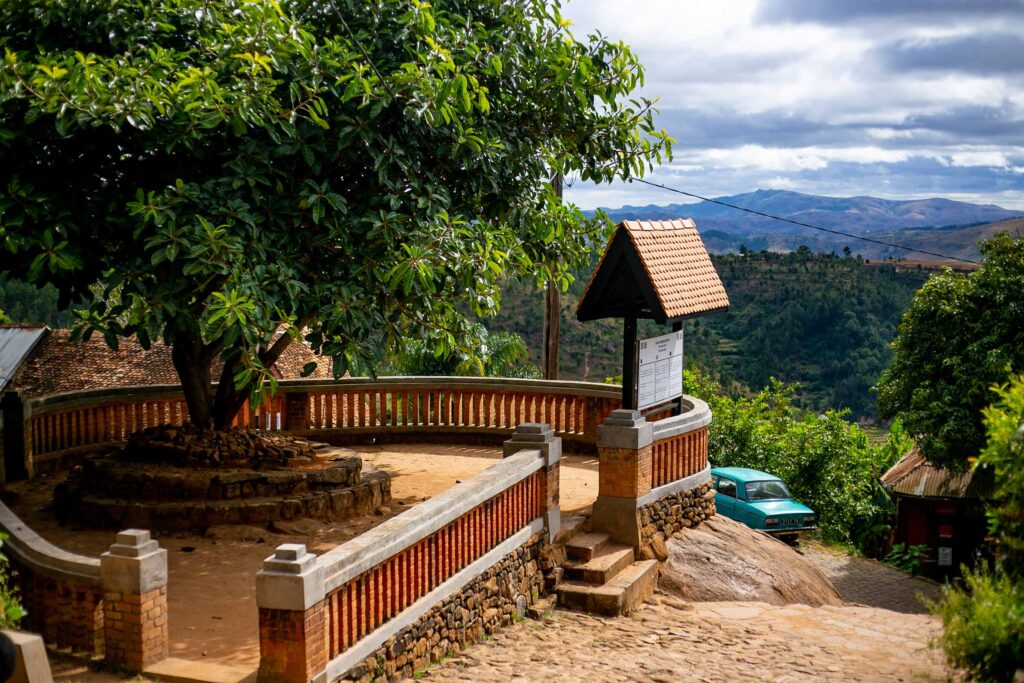
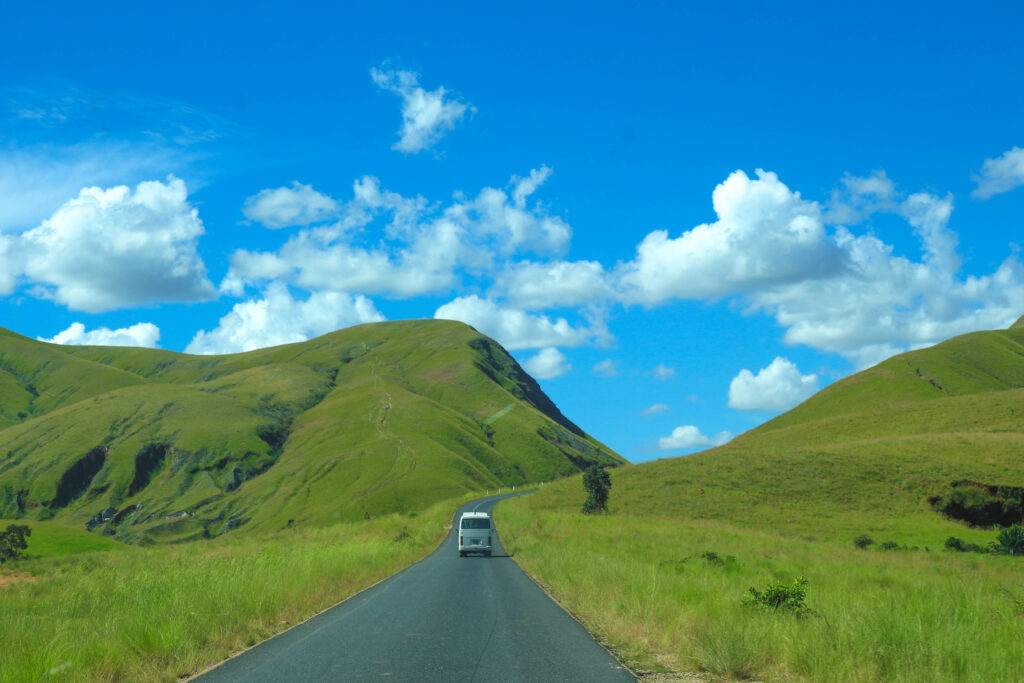
Unlike many overdeveloped tourist destinations, Madagascar remains authentic and relatively untouched. Visitors can still discover remote villages, pristine beaches, dense rainforests, and spectacular landscapes without large crowds. This sense of exploration and discovery is one of the reasons why Madagascar continues to attract travelers from across the globe
Madagascar: One of the World's Most Unique Biodiversity Hotspots
A Natural Evolution Laboratory
One of the main reasons people visit Madagascar is its incredible biodiversity. Scientists consider Madagascar one of the most important ecological regions on the planet.
Approximately 165 million years ago, Madagascar separated from Africa and later from the Indian subcontinent. This long period of geographic isolation allowed wildlife and vegetation to evolve independently. As a result, over 90% of Madagascar’s species are endemic, meaning they are found nowhere else on Earth.
This unique evolutionary history has created ecosystems that fascinate scientists, conservationists, photographers, and travelers alike.
Visitors exploring Madagascar can encounter species that exist only on this island, making every wildlife observation a truly special experience.
Key Biodiversity Facts
- More than 100 species of lemurs
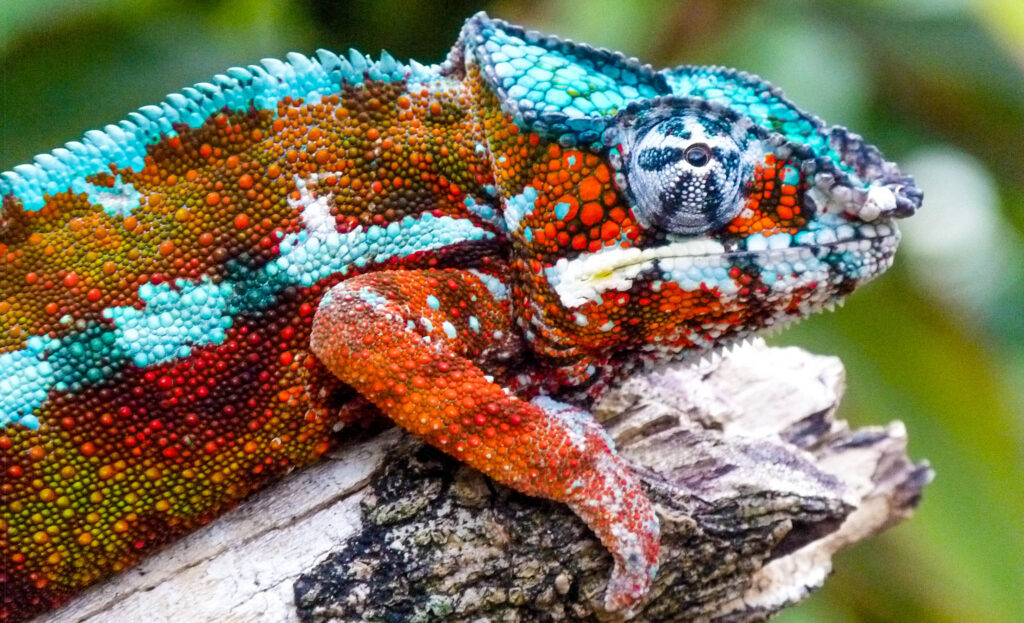
- Nearly half of the world’s chameleon species
- Thousands of endemic plant species
- Hundreds of unique bird species
- Exceptional marine biodiversity
- Several UNESCO World Heritage Sites
For eco-tourists and wildlife enthusiasts, Madagascar is often considered a once-in-a-lifetime destination
Encounter the World-Famous Lemurs
Madagascar’s Most Iconic Animals
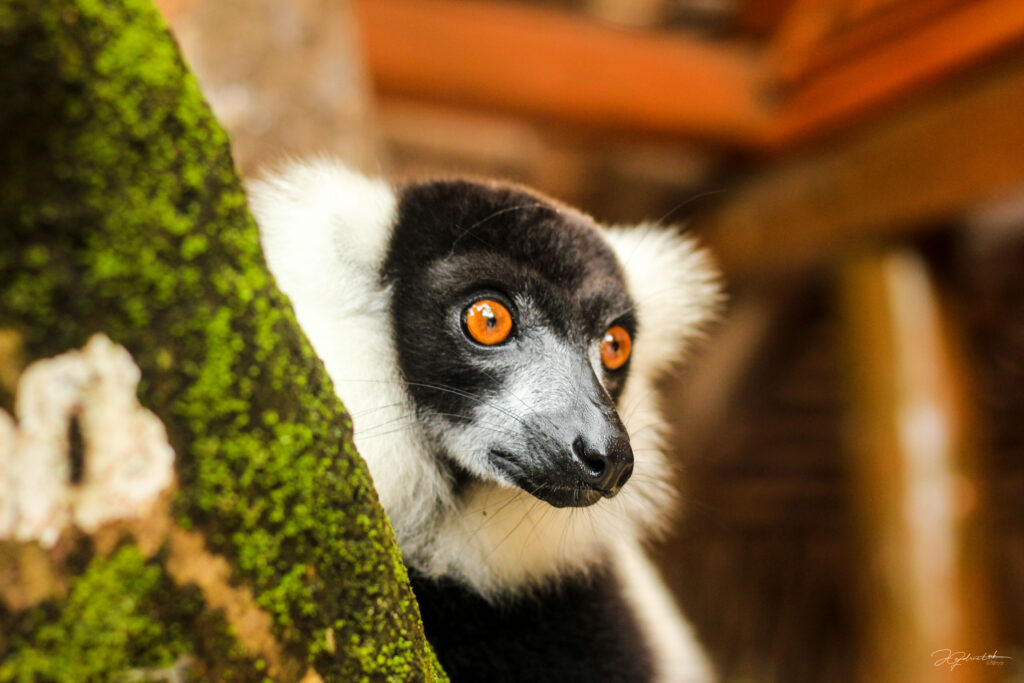
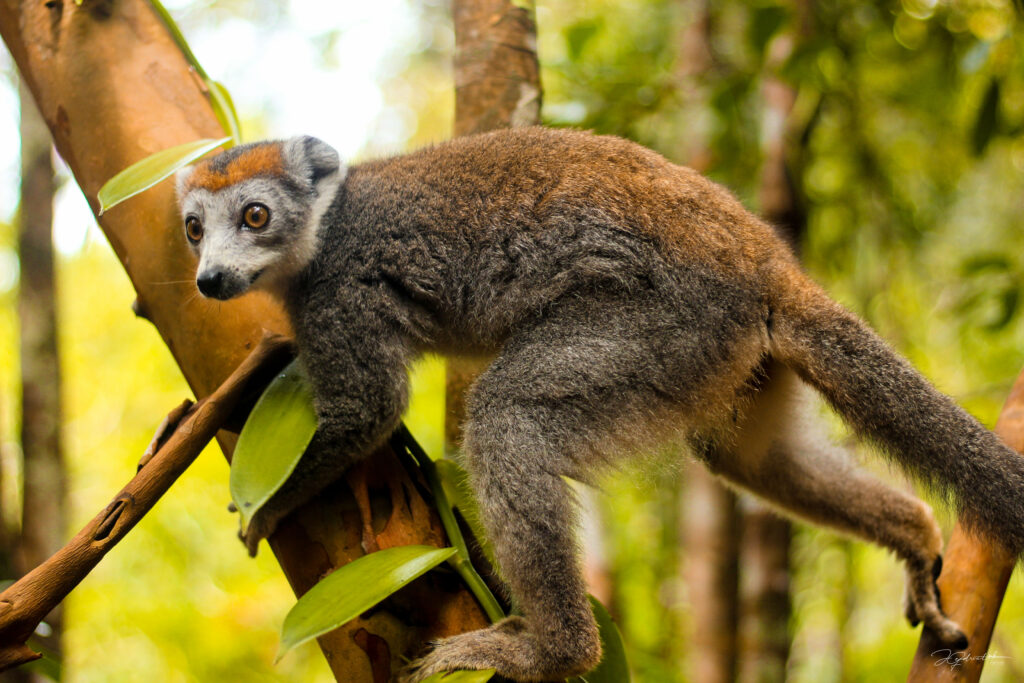
No visit to Madagascar would be complete without meeting its most famous residents: the lemurs.
These fascinating primates have become symbols of Madagascar and are among the primary reasons travelers choose to visit the island. Unlike monkeys, lemurs exist naturally only in Madagascar and on a few nearby islands.
The diversity of lemur species is astonishing.
Ring-Tailed Lemur
Perhaps the most recognizable species, the Ring-Tailed Lemur is known for its striking black-and-white tail and social behavior. Visitors often observe these playful animals sunbathing in groups or moving gracefully through dry forests.
Indri Indri
The Indri is the largest living lemur species and one of Madagascar’s most remarkable wildlife experiences. Its haunting calls can travel several kilometers through the rainforest and are often described as one of the most unforgettable sounds in nature.
Hearing an Indri family sing at sunrise in Andasibe National Park is an experience many travelers never forget.
Sifaka Lemurs
Nicknamed the « dancing lemurs, » sifakas are famous for their unique sideways hopping movement when crossing open ground. Their elegant leaps between trees make them favorites among wildlife photographers.
Mouse Lemurs
Among the smallest primates in the world, mouse lemurs are nocturnal creatures that can be observed during guided night walks in several national parks
Explore Incredible National Parks
Andasibe-Mantadia National Park
Located just a few hours from Antananarivo, Andasibe-Mantadia National Park is one of Madagascar’s most visited protected areas.
The park offers excellent opportunities to observe:
- Indri Indri
- Chameleons
- Frogs
- Orchids
- Rare birds
- Reptiles
Guided walks allow visitors to discover the rich biodiversity of Madagascar’s eastern rainforests while learning about conservation efforts and local ecosystems.
Night walks around Andasibe are particularly popular because they reveal nocturnal wildlife rarely seen during the day.
Ranomafana National Park
Ranomafana is another must-visit destination for nature lovers. Its lush rainforest shelters numerous rare species and provides exceptional trekking opportunities.
The park’s name means « hot water » in Malagasy, referring to the thermal springs found in the area.
Visitors can spend hours exploring forest trails while encountering lemurs, exotic birds, and spectacular vegetation.
Isalo National Park
Often described as Madagascar’s most scenic national park, Isalo offers breathtaking landscapes characterized by sandstone formations, canyons, natural swimming pools, and panoramic viewpoints.
The park’s dramatic scenery attracts hikers, photographers, and adventure travelers from around the world.
Many visitors compare Isalo’s landscapes to those of the American Southwest, although its flora and fauna remain uniquely Malagasy
Discover Paradise Beaches and Tropical Islands
While Madagascar is famous for its wildlife, many travelers are surprised to discover that it also boasts some of the most beautiful beaches in the Indian Ocean.
Nosy Be: Madagascar’s Tropical Paradise
Nosy Be is Madagascar’s leading beach destination and a favorite among international visitors.
This idyllic island offers:
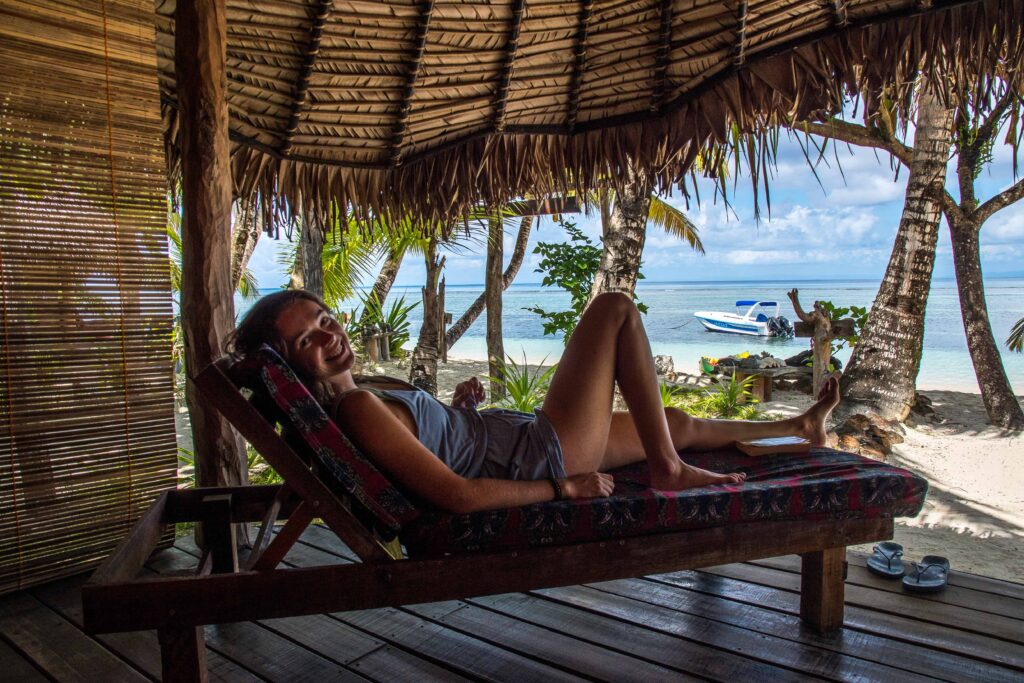
- White sandy beaches
- Crystal-clear waters
- Coral reefs
- Luxury resorts
- Exceptional diving opportunities
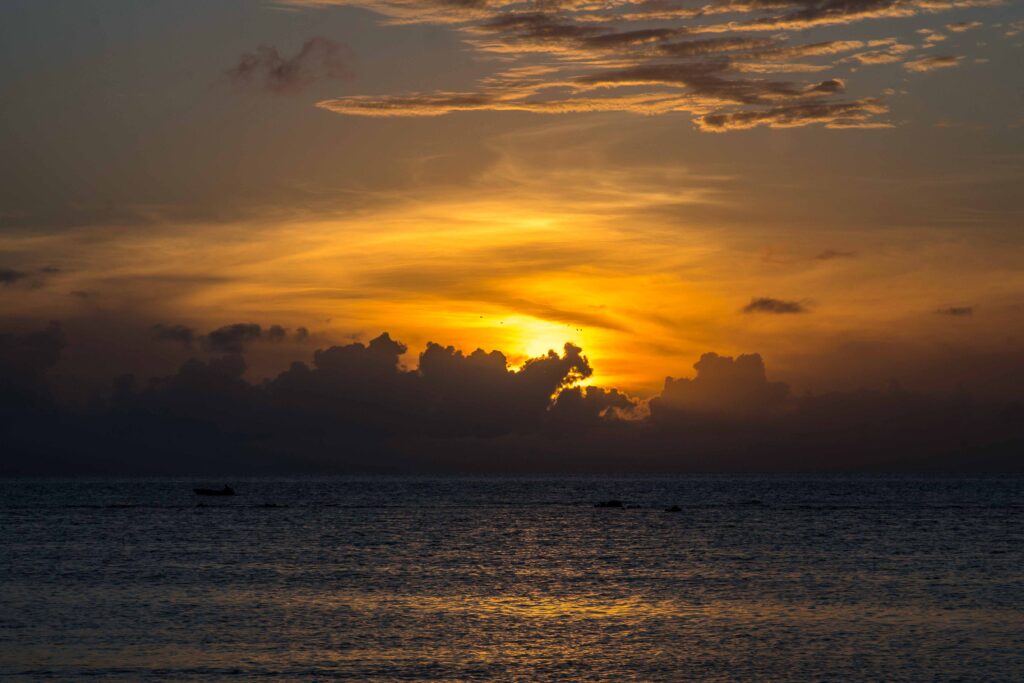
- Sunset cruises
The island’s warm climate makes it an ideal destination throughout much of the year.
Visitors can combine relaxation with adventure by exploring nearby islands, marine reserves, and traditional fishing villages.
Sainte-Marie Island
Located off Madagascar’s east coast, Sainte-Marie is a tropical paradise known for its natural beauty and fascinating history.
Between July and September, humpback whales migrate through the surrounding waters, making Sainte-Marie one of the best whale-watching destinations in the world.
Travelers can also discover:
- Historic pirate cemeteries
- Coconut-lined beaches
- Traditional villages
- Coral reefs
- Hidden coves
The island’s peaceful atmosphere makes it especially popular among honeymooners and couples seeking a romantic escape
Experience Authentic Malagasy Culture
One of the most rewarding aspects of visiting Madagascar is the opportunity to discover its rich cultural heritage.
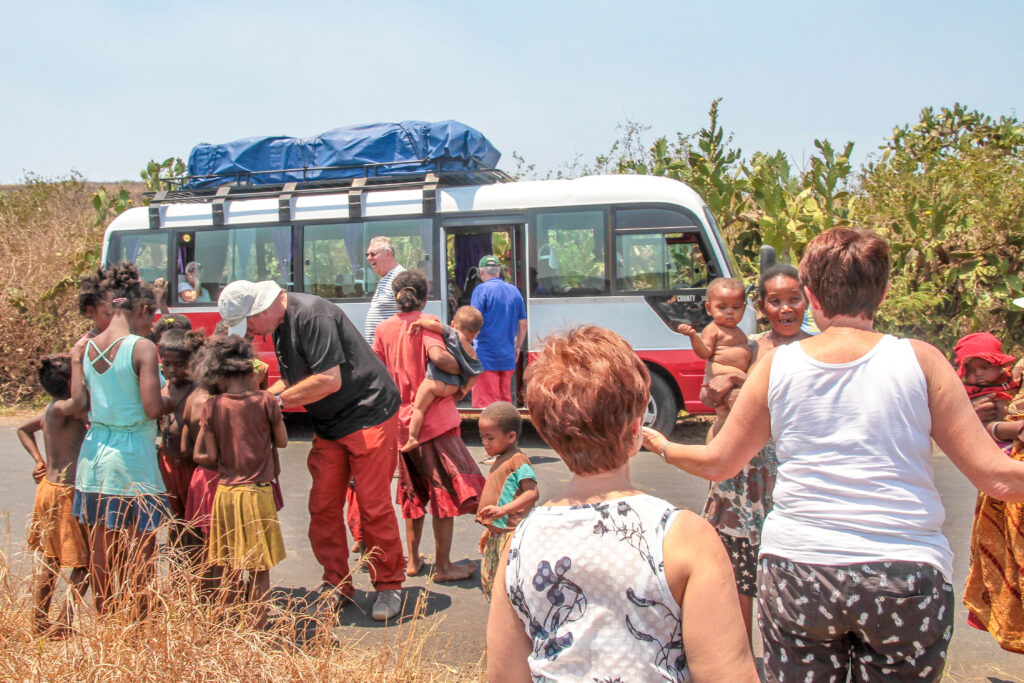
Madagascar’s population reflects a unique blend of African, Asian, Arab, and European influences. This cultural diversity is evident in local traditions, architecture, cuisine, music, and daily life.
Visitors can explore traditional villages, attend cultural festivals, and interact with welcoming local communities that proudly preserve their ancestral customs.
Malagasy hospitality is legendary. Travelers often describe the friendliness of local people as one of the highlights of their journey.
The opportunity to experience authentic cultural exchanges adds a human dimension that complements Madagascar’s extraordinary natural attractions
1:Frequently Asked Questions About Madagascar
Absolutely. Madagascar is one of the most unique destinations in the world, offering exceptional wildlife, stunning landscapes, pristine beaches, and authentic cultural experiences that cannot be found anywhere else
Madagascar is famous for its lemurs, baobab trees, chameleons, unique biodiversity, national parks, tropical islands, and extraordinary natural landscapes.
Most travelers recommend spending between 10 and 21 days in Madagascar to fully experience its diverse regions, wildlife, beaches, and cultural attractions.
The best time to visit Madagascar is generally between April and November when the weather is dry and ideal for wildlife viewing, hiking, and beach holidays.
2:Frequently Asked Questions About Madagascar
Yes. Madagascar is the only place in the world where lemurs live naturally in the wild. National parks such as Andasibe, Ranomafana, and Isalo offer excellent opportunities to observe them.
Madagascar is generally safe for tourists who follow normal travel precautions, use reputable tour operators, and seek local advice when traveling between regions.
While independent travel is possible, many visitors choose local guides to better explore national parks, wildlife reserves, and remote destinations.
The official languages are Malagasy and French. English is increasingly spoken in tourist areas, hotels, and by professional guides.
3:Frequently Asked Questions About Madagascar
Yes. Madagascar is one of the most romantic destinations in the Indian Ocean, offering secluded beaches, luxury lodges, whale watching, and unforgettable island experiences.
Travelers can observe lemurs, chameleons, geckos, rare birds, whales, sea turtles, dolphins, and thousands of endemic plant species.
Absolutely. Many itineraries combine national parks such as Andasibe or Ranomafana with beach destinations like Nosy Be, Sainte-Marie, or Île aux Nattes.
Madagascar’s long geographic isolation has created one of the world’s richest biodiversity hotspots, with more than 90% of its wildlife found nowhere else on Earth.