Zamilane Travel

Blog

Your blog category

Madagascar itinerary
Blog

Madagascar Itinerary for 10, 15 or 20 Days

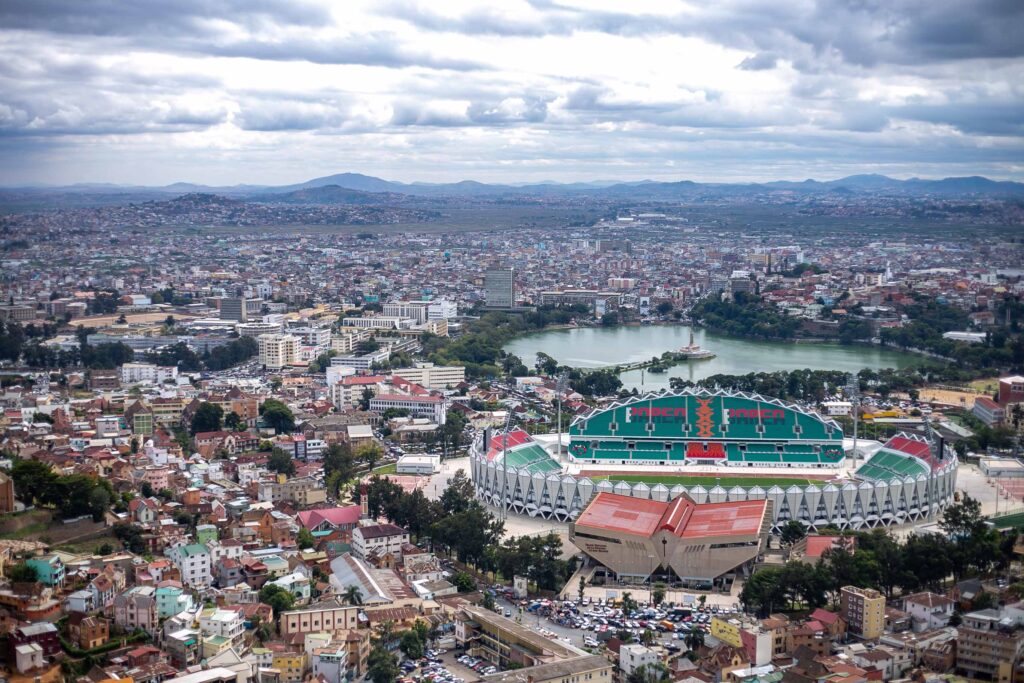
Madagascar Itinerary for 10, 15 or 20 Days: The Best Routes Based on Your Budget Complete Travel Guide by Zamilane Travel Madagascar is not a destination you simply visit — it is a country you explore step by step. With its vast size, diverse ecosystems, and sometimes challenging logistics, planning your itinerary carefully is essential to fully enjoy your experience. From tropical beaches and coral reefs to rainforests filled with lemurs and iconic baobab landscapes, Madagascar offers one of the most diverse travel experiences in the world. However, distances are long, infrastructure varies, and travel times can be unpredictable. This is why choosing the right itinerary based on your available time and budget is critical. In this guide, we present the best Madagascar itineraries for 10, 15, and 20 days, with detailed day-by-day planning to help you travel efficiently, avoid common mistakes, and enjoy a seamless journey. ✈️ How to Plan Your Madagascar Trip Efficiently Before choosing your itinerary, you need to understand one important reality:  Madagascar is huge, and travel takes time Even short distances can take several hours due to road conditions. Domestic flights are often the best option for long routes, especially if you want to maximize your experience. Key planning principles: 10 days → focus on one region 15 days → combine two regions 20 days → explore multiple ecosystems Trying to do too much will reduce the quality of your trip. 💰 Travel Budget Levels in Madagascar Your itinerary will also depend on your travel budget. Budget (€30–50/day) Basic guesthouses Shared transport Limited comfort Mid-range (€80–150/day) Comfortable hotels Private transfers Some domestic flights Luxury (€200+/day) Boutique lodges Flights included Private guide and driver 🗺️ 10-Day Madagascar Itinerary Best for: Beach Relaxation and First-Time Visitors If you have 10 days, the best option is to stay in one region. The Nosy Be archipelago is ideal because it offers beaches, excursions, and easy access. 📅 Detailed 10-Day Itinerary Day 1: Arrival in Nosy Be Upon arrival at Nosy Be airport, you will be welcomed and transferred to your hotel. After check-in, you can relax by the beach or enjoy a quiet dinner with an ocean view. Day 2: Discover Nosy Be Island Start your day exploring Andilana Beach, one of the most beautiful beaches on the island. In the afternoon, visit local markets to discover Malagasy products and culture. End your day with a sunset at Mont Passot, offering panoramic views. Day 3: Excursion to Nosy Iranja This is one of the highlights of your trip. After a boat transfer, you will reach Nosy Iranja, famous for its white sandbank connecting two islands. Spend the day swimming, walking, and enjoying a fresh seafood lunch. Day 4: Nosy Tanikely and Nosy Komba Head to a marine reserve for snorkeling among coral reefs and tropical fish. Later, visit Nosy Komba, known for its handicrafts and local village atmosphere. Day 5: Nosy Sakatia Experience This peaceful island offers a unique opportunity to swim with sea turtles in their natural habitat. The calm environment makes it perfect for relaxation. Day 6–7: Relaxation Days Enjoy free time at your hotel. Optional activities include diving, fishing, or spa treatments. Day 8: Cultural Discovery Explore the inland areas of Nosy Be, visiting plantations and local villages. Day 9: Private Island Tour Take a personalized excursion to lesser-known islands for a more exclusive experience. Day 10: Departure Transfer to the airport for your international flight. Why This Works Minimal travel time Relaxing pace Perfect introduction to Madagascar 🗺️ 15-Day Madagascar Itinerary Best for: Beaches + Wildlife With 15 days, you can combine Madagascar’s two major highlights: coast and rainforest. 📅 Detailed 15-Day Itinerary Days 1–5: Nosy Be Follow the 10-day itinerary highlights, including island excursions and relaxation. Day 6: Flight to Antananarivo Transfer to the airport and fly to the capital. Overnight stay. Day 7: Transfer to Andasibe Drive east through scenic landscapes to Andasibe National Park. Day 8: Andasibe National Park Spend the day exploring the rainforest. You will have the chance to see the Indri Indri, the largest lemur, along with other wildlife. Day 9: Night Walk Experience In the evening, join a guided walk to observe nocturnal animals such as chameleons and small lemurs. Day 10: Return to Antananarivo Drive back to the capital and relax. Day 11–12: Cultural Exploration Visit local markets, historical sites, and nearby villages. Day 13–14: Optional Extension You can extend your stay with additional excursions or return to a beach destination. Day 15: Departure Why This Itinerary is Ideal Combines nature and beaches Rich and varied experience Balanced travel pace 🗺️ 20-Day Madagascar Itinerary Best for: Complete Exploration With 20 days, you can discover Madagascar in depth. 📅 Detailed 20-Day Itinerary Days 1–2: Antananarivo Arrival and exploration of the capital, including markets and cultural landmarks. Days 3–5: Andasibe Explore the rainforest, observe lemurs, and enjoy guided walks. Days 6–8: Morondava Fly to Morondava and visit the famous Avenue of the Baobabs. Sunset here is unforgettable. Days 9–12: Southwest Coast Travel to Ifaty and Anakao. Enjoy wild beaches and discover traditional fishing communities. Days 13–16: Nosy Be Relax in a more comfortable beach setting and enjoy island excursions. Days 17–19: Sainte-Marie Fly to Sainte-Marie for whale watching (seasonal) and peaceful beaches. Day 20: Departure Why 20 Days is the Best Option Complete Madagascar experience Less stress and more depth Maximum diversity Transportation Tips Use domestic flights for long distances Avoid long road trips without planning Choose private transfers when possible Accommodation Options Budget: €20–50 Mid-range: €70–150 Luxury: €150–400+ Must-Do Activities Snorkeling and diving Lemur tracking Whale watching Baobab photography Best Time to Visit April to November: best season July–September: whale watching Common Mistakes Overloading itinerary Ignoring distances Not planning logistics Why Travel with Zamilane Travel Zamilane Travel helps you: Optimize your itinerary Manage logistics Travel safely and comfortabl ❓ FAQ How many days do I need? 10–20 days depending on your goals Best route? Nosy Be + one or two regions 🌴 Conclusion Madagascar offers one of the most rewarding travel experiences in

Blog

Top 10 for a Dream Trip

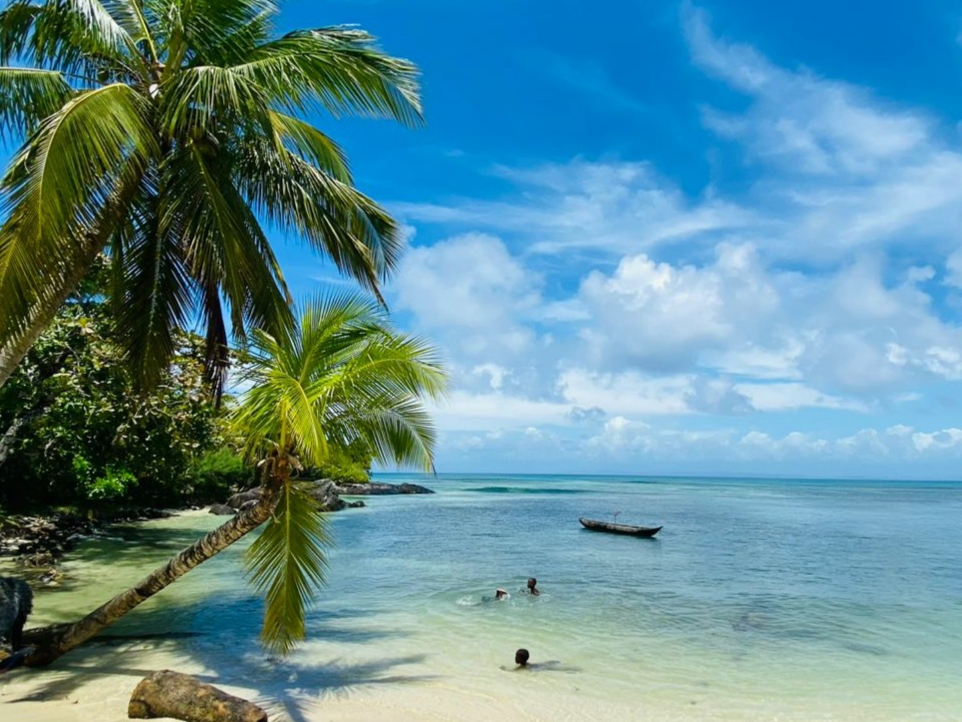
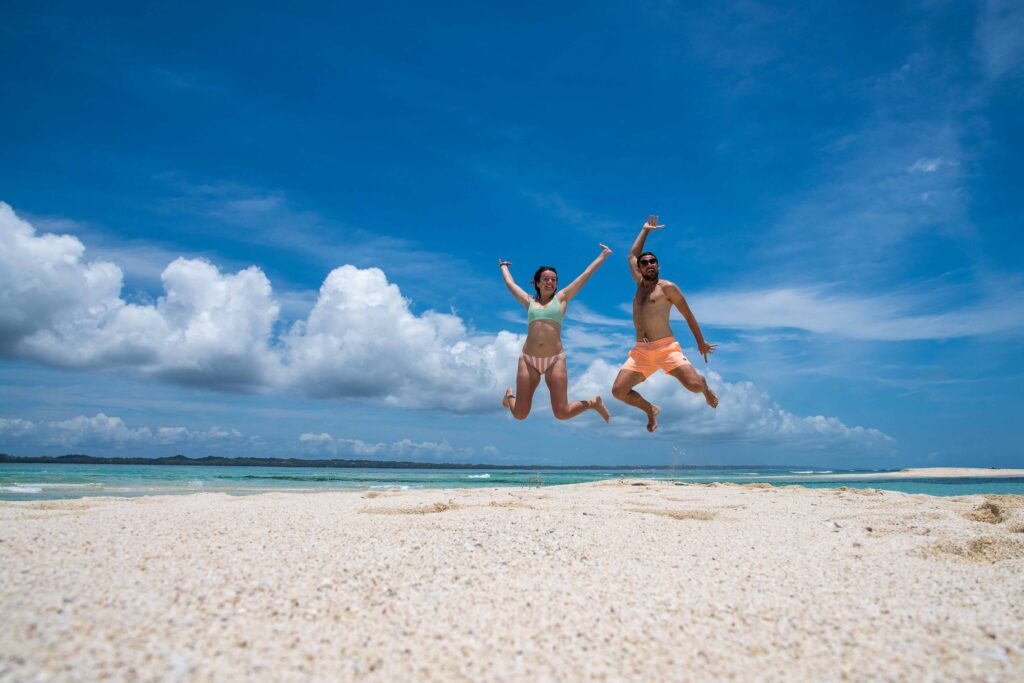
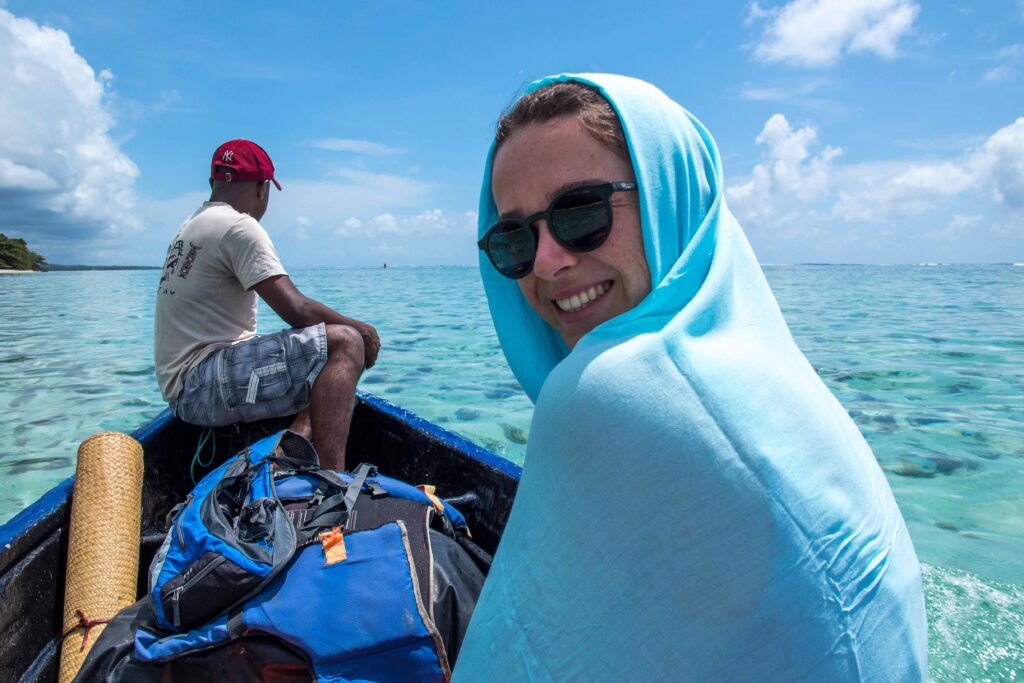
The Most Beautiful Beaches in Madagascar: Top 10 for a Dream Trip Complete Travel Guide by Zamilane Travel Madagascar is one of the most extraordinary beach destinations in the world. Located in the Indian Ocean, this vast island offers more than 5,000 kilometers of coastline, featuring untouched beaches, crystal-clear waters, and breathtaking landscapes. Unlike more commercial destinations such as the Maldives or Seychelles, Madagascar remains authentic, diverse, and relatively unexplored. For international travelers seeking a mix of relaxation, adventure, and cultural immersion, Madagascar is an exceptional choice. Whether you are planning a honeymoon, a luxury escape, or a nature-focused journey, the island offers a unique combination of experiences that cannot be found anywhere else. At Zamilane Travel, we specialize in designing tailor-made trips that allow you to explore the most beautiful beaches in Madagascar with comfort, safety, and expert local guidance. This guide presents the top 10 beaches, along with practical travel information, pricing, and expert tips to help you plan your dream trip. 🏝️ Top 10 Most Beautiful Beaches in Madagascar 1. Nosy Iranja – The Ultimate Paradise Beach Nosy Iranja is widely considered the most beautiful beach in Madagascar. Located about 90 minutes by boat from Nosy Be, it is famous for its spectacular white sandbank connecting two islands. At low tide, visitors can walk from one island to the other, surrounded by turquoise water. The setting is pristine and ideal for photography, swimming, and relaxation. The island is also a nesting site for sea turtles, adding to its ecological importance. Price: €70 – €120 per person (day trip) Included: Boat transfer, lunch, guide Best for: Honeymoon, luxury, photography 2. Nosy Sakatia – A Peaceful Natural Escape Nosy Sakatia is a quiet island located near Nosy Be. It offers a more authentic and less crowded experience compared to other destinations. The island is known for its preserved marine life and is one of the best places in Madagascar to swim with sea turtles. The beaches are calm, the atmosphere is relaxed, and the local community adds cultural richness to the experience. Price: €40 – €80 per personIncluded: Boat transfer, snorkelingBest for: Couples, eco-tourism, relaxation 3. Nosy Tanikely – A Marine Reserve for Snorkeling Nosy Tanikely is a protected marine park and one of the top snorkeling destinations in Madagascar. The underwater ecosystem is rich and diverse, featuring coral reefs, tropical fish, and crystal-clear waters. It is an ideal destination for both beginners and experienced snorkelers. Price: €40 – €80 per personIncluded: Boat transfer, snorkelingBest for: Couples, eco-tourism, relaxation 4. Andilana Beach – Luxury and Comfort Located in Nosy Be, Andilana Beach is known for its soft white sand, calm waters, and high-end resorts. It is one of the most developed beach areas in Madagascar, offering a wide range of services for international travelers. The sunsets here are particularly impressive, making it a perfect spot for romantic stays. Price: €120 – €300 per nightBest for: Luxury travelers, couples 5. Anakao – Wild Beaches and Authentic Culture Anakao is a remote coastal village located in southwest Madagascar. Accessible only by boat from Tuléar, it offers a truly unique experience combining wild beaches and local culture. Visitors can discover the traditional lifestyle of the Vezo fishing community while enjoying untouched coastal landscapes. Price: €60 – €150 per nightTransfer: €30 boatBest for: Adventure, cultural immersion 6. Ifaty – Relaxation and Lagoon Experience Ifaty is a coastal destination known for its calm lagoon and relaxed atmosphere. It is ideal for travelers looking for a peaceful beach experience. The area also offers access to baobab forests and local villages, making it a great destination for combining nature and relaxation. Price: €50 – €120 per nightBest for: Families, relaxation 7. Salary Bay – Exclusive and Remote Salary Bay is one of Madagascar’s best-kept secrets. This remote destination offers pristine beaches, turquoise waters, and a sense of exclusivity. It is ideal for travelers seeking privacy and high-end experiences away from crowds. Price: €100 – €250 per nightBest for: Luxury, exclusivity 8. Nosy Komba – Nature and Tranquility Nosy Komba is a volcanic island located near Nosy Be. Covered in lush vegetation, it offers a peaceful environment perfect for relaxation and nature exploration. The island is also known for its handicrafts and local traditions. Price: €40 – €100 per nightBest for: Eco-tourism, nature lovers 9. Sainte-Marie – Beaches and Whale Watching Sainte-Marie Island is located on the east coast of Madagascar and is famous for whale watching. Between July and September, humpback whales migrate through the area, offering a spectacular natural experience. The island also features beautiful beaches and a laid-back atmosphere. Price: €50 – €100 per tourBest for: Wildlife, nature 10. Ramena Beach – Local Life and Culture Ramena Beach, near Diego Suarez, offers a lively and authentic Malagasy atmosphere. It is a great place to experience local culture, food, and music while enjoying a beautiful coastal setting. Price: €20 – €50Best for: Cultural experience 🏨 Accommodation Guide by Region Madagascar offers a wide range of accommodations to suit different budgets Nosy Be Luxury resorts and boutique hotels (€80 – €300/night) Southwest (Anakao, Ifaty) Eco-lodges and mid-range hotels (€60 – €150/night) Sainte-Marie Beach hotels and guesthouses (€50 – €150/night) 🌊 Activities and Experiences Madagascar’s beaches offer more than just relaxation Water Activities Snorkeling Scuba diving Whale watching Fishing Nature Activities Baobab exploration Wildlife tours Island hopping Cultural Experiences Village visits Traditional fishing Malagasy cuisine ✈️ Travel Logistics in Madagascar Traveling in Madagascar requires planning due to distances and infrastructure. Transport Options Domestic flights Boat transfers 4×4 vehicles Working with a local expert ensures smooth logistics.  Zamilane Travel manages all travel arrangements for a stress-free experience. 📅 Best Time to Visit April to November: Dry season July to September: Whale watching January to March: Rainy season (avoid) 🧳 What to Pack Light clothing Sunscreen Swimwear Insect repellent Travel insurance ⚠️ Common Mistakes to Avoid Underestimating travel time Not booking in advance Ignoring weather conditions 💰 Madagascar vs Other Beach Destinations Madagascar offers better value compared to other tropical destinations. Advantages Lower prices Authentic experiences Less crowded 🧭 Suggested Itineraries 7 Days Nosy Be + Nosy Iranja 10 Days Nosy Be + surrounding

Madagascar travel budget 2026
Blog

Madagascar Travel Budget 2026

How Much Does a Trip to Madagascar Cost in 2026? Complete Budget Guide Are you planning a trip and wondering how much a trip to Madagascar costs in 2026? Good news: this destination remains affordable, but the budget can vary greatly depending on your travel style, your itinerary, and your choices on site. Between the cost of the flight, accommodation, food, transport, and activities, it is essential to anticipate every expense to avoid unpleasant surprises. Madagascar is a large island with sometimes limited infrastructure, which directly impacts costs. In this complete guide, you will discover:👉 The detailed budget for Madagascar in 2026👉 The real cost of each expense👉 Concrete examples based on your profile👉 Mistakes to avoid and tips to save money 🌍 Madagascar travel budget: overall overview Before going into details, here is a general estimate: 💰 Average budget per person (2 weeks)• 🧳 Low budget: €1200 to €1600• 🧳 Mid-range budget: €2200 to €3000• 🧳 Comfort/luxury budget: €3500 to €6000 👉 The cost mainly depends on 3 elements:• The international flight• The type of accommodation• The mode of transport on site ✈️ Flight price to Madagascar in 2026 Le billet d’avion représente souvent 40 à 60 % du budget total 💸Average round-trip prices • Flight with stopover: €750 to €950• Standard flight: €900 to €1200• Direct or premium flight: €1200 to €1600 👉 Realistic average price: €1000 📅 When to pays less ? • March to June → low prices• September to November → good compromise• July – August / December → very expensive 💡 Tips to save money • Book 4 to 6 months in advance• Avoid school holidays• Use flight comparison websites 🏨 Accommodation budget in Madagascar Madagascar offers excellent value for money 🛏️ Price per night 🔹 Low budget • Hostel: €5 to €15• Basic hotel: €10 to €25 🔹 Mid-range • 2–3 star hotel: €30 to €70 🔹 High-end • Lodge / luxury hotel: €100 to €300 📊 Budget for 2 weeks Budget €150 to €300 Mid-range €400 to €900 Luxury €1500+ 🍽️ Food budget in Madagascar Food is very affordable 🍛 Average prices • Street food: €1 to €3• Local restaurant: €3 to €6• Tourist restaurant: €8 to €20 💰 Daily budget • Budget: €5• Mid-range: €10 to €15• Comfort: €20 to €30 🚗 Transport budget in Madagascar Food is very affordable 🚌 Local transport • Taxi-brousse: €5 to €15 (long trip)• Urban bus: less than €1 🚖 Taxi • Short ride: €2 to €5 🚙 Car renta • €30 to €80 / day• Driver often recommended 🎟️ Activities and excursions budget 💸 Average prices• National park: €5 to €15• Guide: €10 to €25• Excursion: €20 to €80 📊 Daily budget in Madagascar • Budget: €20 to €40• Mid-range: €50 to €100• Luxury: €150+ 📅 Budget depending on trip duration 🗓️ 1 week • Budget: €700• Mid-range: €1200• Luxury: €2500 🗓️ 2 weeks • Budget: €1500• Mid-range: €2500• Luxury: €4000 🗓️ 3 weeks • Budget: €2000• Mid-range: €3500• Luxury: €6000 📍 Budget depending on regions Nosy Be 👉 More expensive (touristic) Antananarivo 👉 Moderate prices South Madagascar 👉 Very affordable 🧳 Concrete budget example (2 weeks 👇 Couple trip • Flights: €2000• Hotel: €700• Food: €300• Transport: €400• Activities: €300 👉 Total: €3700 for 2 people 💰 Hidden costs to consider • Visa: around €35• Travel insurance: €50 to €150• Tips• Souvenirs ❌ Mistakes to avoid • Underestimating distances• Neglecting transport• Traveling during cyclone season• Booking at the last minute 💡 Tips to reduce your budget • Travel off-season• Eat local• Share transport• Book in advance 🌍 Comparison with other destinations • Cheaper than Europe• Cheaper than South Africa• Comparable to some Asian countries ❓ FAQ – Madagascar budget How much does a trip to Madagascar cost? 👉 €1500 to €4000 depending on the level Is it expensive? 👉 No, except for the flight Budget for 2 weeks? 👉 €2000 to €3000 🧭 Conclusion Traveling to Madagascar in 2026 is affordable, provided you plan your budget well. The island offers excellent value for money, with unique landscapes and an authentic experience. 👉 To optimize your budget:• Plan ahead• Compare prices• Adapt your travel style Madagascar remains an exceptional destination, whether you travel on a low budget or in comfort.

when to go to Madagascar
Blog

Best Time to Visit Madagascar 2026

When to Go to Madagascar? Month-by-Month Climate (Complete Guide 2026) Are you wondering when to go to Madagascar depending on the month-by-month climate? Between the dry season, rainy season, cyclones, and regional variations, choosing the right period can make the difference between a successful trip and a difficult experience. Madagascar is a unique destination in the world, known for its exceptional biodiversity, paradise beaches, and spectacular landscapes. But its tropical climate, sometimes unpredictable, requires good preparation. In this complete guide, discover: The best time to visit Madagascar The month-by-month climate Regional differences Practical tips to optimize your trip 🌍 Climate in Madagascar: understand before you go Before choosing your travel dates, it is essential to understand how the Malagasy climate works 🌧️ Rainy season (November to April) This period corresponds to the southern summer. Main characteristics: High temperatures (25 to 35°C) High humidity Frequent, sometimes heavy rainfall Cyclone risk (January to March) 👉 This season strongly affects transportation, especially secondary roads ☀️ Dry season (May to October) This is the most favorable period for travel. Conditions: Pleasant temperatures (18 to 28°C) Low humidity Very little rain Good accessibility to sites 👉 This is clearly the best time to visit Madagascar. 🌎 Climate in Madagascar by region The climate varies greatly depending on the geographical area. This diversity is due to the relief and wind influence East Coast: humid all year round Frequent rainfall Dense vegetation Humid tropical climate 👉 Ideal for lovers of lush nature. ☀️ West Coast: dry and sunny Little rain Strong sunshine High temperatures 👉 Perfect for beaches and tourist circuits 🌵 South of Madagascar: arid Semi-desert climate Very little rainfall Unique landscapes 👉 Ideal for authentic travel experiences 🌄 Highlands (Antananarivo) Temperate climate Cool nights Strong temperature variations 👉 Ideal region for cultural circuits 📅 Madagascar climate month by month Here is a detailed analysis of the weather in Madagascar month by month January: intense heat and heavy rains 🌡️ 26 to 32°C 🌧️ High rainfall 🌪️ Cyclone risk 👉 Travel is difficult.👉 Not recommended for a first trip February: peak rainy season 🌡️ Very hot 🌧️ Heavy rains 🌪️ Frequent cyclones 👉 The least recommended month March: gradual improvement 🌡️ Hot 🌧️ Still rainy 🌿 Green landscapes 👉 Good option at the end of the month April: ideal transition Pleasant temperatures Decreasing rainfall Excellent time to travel. May: beginning of the dry season 🌡️ 20 to 28°C ☀️ Dry weather 🌿 Still green landscapes 👉 Very good month to visit Madagascar June: stable climate 🌡️ Cool temperatures ☀️ Sunny 👉 Ideal for hiking and parks July: high season 🌡️ Moderate temperatures ☀️ Dry weather 🐋 Whale watching 👉 High tourist attendance August: perfect conditions 🌡️ Pleasant weather ☀️ Constant sunshine 👉 Excellent for beaches and nature September: best overall month 🌡️ Mild temperatures ☀️ Dry season 👥 Fewer tourists 👉 Ideal travel period October: rising heat 🌡️ Increasing temperatures ☀️ Still dry climate 👉 Very good compromise November: return of humidity 🌡️ Hot 🌧️ Start of rainy season 👉 Travel possible in early November December: tropical heat  High temperatures 🌧️ Frequent rains 👉 Unstable weather but festive atmosphere. ⭐ Best time to visit Madagascar ✔️ Quick summary: ✅ Best period: May to October ✅ Ideal: September and October ❌ To avoid: January to March 🎯 When to go depending on activities 🏖️ For beaches May to November North and West recommended 🥾 For hiking June to September 🐋 For whale watching July to Septembe 🌿 For nature April to June 🧳 Practical travel tips 🎒 What to pack Light clothes Windbreaker Hiking shoes Sunscreen Mosquito repellent 🚗 Transport Roads sometimes difficult Allow extra travel time 4×4 recommended outside cities 💊 Health Recommended vaccines Mosquito protection essential ❌ Mistakes to avoid Traveling during cyclone season Underestimating distances Ignoring weather conditions 💰 When is it cheaper to travel? March April November 👉 Fewer tourists = lower prices 📍 Where to go depending on the season Dry season Avenue of the Baobabs Tsingy de Bemaraha Nosy Be Rainy season East coast (lush nature) Tropical parks ❓ FAQ – When to go to Madagascar? What is the best period? 👉 May to October Can you travel all year round? 👉 Yes, with adaptation. Which month to choose? 👉 September is ideal. 🧭 Conclusion Choosing when to go to Madagascar depends on your travel plans, but one thing is certain: 👉 The period from May to October is the most favorable. With great weather, excellent accessibility, and ideal conditions to explore the whole island. However, each season has its advantages. The rainy season offers spectacular landscapes, while the dry season guarantees comfort and safety. Madagascar is a rich, authentic, and unforgettable destination that deserves to be discovered at the right time

Madagascar travel guide 2026
Blog

Madagascar Travel Guide 2026

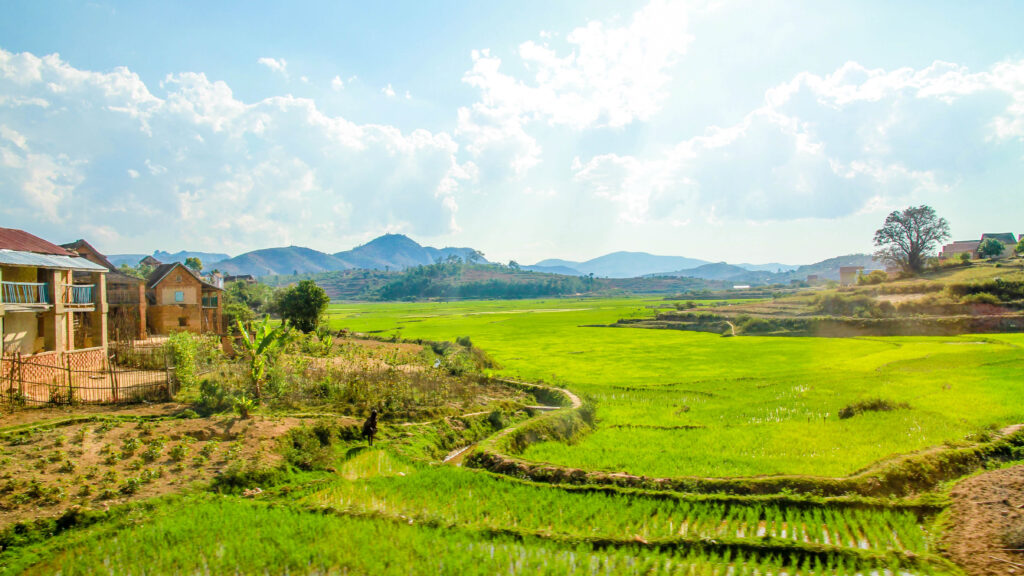
What to Do in Madagascar for a First Trip? (Complete Guide 2026) Madagascar is a destination that makes people dream… but also raises curiosity. Between spectacular landscapes, unique biodiversity in the world, and authentic culture, the Red Island promises a completely different experience from anything you have known. But a question often comes up: what to do in Madagascar for a first trip? If you are preparing your trip for 2026, this complete guide will help you to:• discover must-see places• organize your itinerary• avoid common mistakes• live an unforgettable experience 🌍 Why choose Madagascar for a first trip? Madagascar is not a classic tourist destination. It is an adventure 🌿 An exceptional biodiversity Madagascar is one of the richest countries in the world in biodiversity:• 90% of species are endemic• Unique animals such as lemurs• Plants found nowhere else 👉 If you love nature, it is a paradise 🏝️ Incredibly varied landscapes In just a few days, you can see:• Tropical beaches• Mountains• Lush forests• Unique rock formation 🤝 An authentic human experience Malagasy people are welcoming, smiling and warm. Traveling here is also about living meaningful encounters 🗺️ What to do in Madagascar: must-sees 🌴 1. The Avenue of the Baobabs: the symbol of Madagascar 🌴 1. The Avenue of the Baobabs: the symbol of MadagascarImpossible to talk about Madagascar without mentioning this mythical place. Why visit?• Unique landscape in the world• Ideal for photography• Magical atmosphere at sunset 👉 It is one of the best spots if you are looking for what to do in Madagascar for a first trip 🐒 2. See lemurs in their natural habitat Where to observe them?• Andasibe-Mantadia National Park• Ranomafana National Park• Anja Reserve What makes the experience unique:• Close contact with animals• Passionate local guides• Discovery of other species (chameleons, birds) 🌊 3. Enjoy the beaches of Nosy Be Nosy Be is the perfect destination to relax. Must-do activities:• Snorkeling• Scuba diving• Excursions to nearby islands• Whale watching 👉 It is the ideal place to complete your trip 🪨 4. Explore the Tsingy of Bemaraha (UNESCO site) A spectacular landscape made of rock formations. Good to know:• Unique site in the world• Impressive hikes• Difficult access 👉 To do if you love adventure 🚗 5. Travel along the famous RN7 The RN7 is the classic itinerary to discover Madagascar. What you will see:• Typical villages• Rice fields• Mountains• Natural parks 👉 It is the best way to see the diversity of the country 6. Discover Isalo National Park One of the most beautiful landscapes in Madagascar. Not to miss:• Natural pools• Rock canyons• Spectacular sunsets 🏙️ 7. Visit Antananarivo (the capital) Even if it is often overlooked, the capital deserves a visit. To see:• The Queen’s Palace• Local markets• Historic neighborhoods 🧭 Ideal itinerary for a first trip to Madagascar (10 to 15 days) ✈️ Days 1–2: Antananarivo • City discovery• Adaptation to the country 🌳 Days 3–4: Andasibe • Lemur observation• Forest walk 🚗 Days 5–9: RN7 • Antsirabe• Ranomafana• Isalo 🌊 Days 10–15: Nosy Be • Beaches• Excursions• Relaxation 👉 This itinerary is perfect for a balanced first trip 💰 Budget for a trip to Madagascar Madagascar remains affordable compared to other destinations. 💵 Average budgetType – PriceAccommodation – 10€ to 100€Meals – 3€ to 10€Transport – variable 👉 Tip: hiring a driver-guide can be very cost-effective 🍛 What to eat in Madagascar? Malagasy cuisine is simple but tasty. Typical dishes:• Romazava• Ravitoto• Zebu• Fresh fish Drinks:• Natural juices• Rum arrangé 🧳 Practical tips for a successful first trip 📅 Best period• April to November (dry season) ⚠️ To avoid• January to March (rainy season) 🛂 Formalities• Visa on arrival• Valid passport 💊 Health• Mosquito repellent• Recommended vaccines ⚠️ Mistakes to avoid on a first trip • Wanting to see everything too fast• Underestimating distances• Not planning• Ignoring local culture 👉 Madagascar is meant to be discovered slowly 🚕 How to travel in Madagascar? Options:• Taxi-brousse (economical)• Car with driver (recommended)• Domestic flights 👉 Advice: prioritize comfort to save time 🌟 Why Madagascar will stay with you for life Madagascar is an experience, not just a trip. You will:• Discover unique nature• Live authentic moments• Get out of your comfort zone 🧠 Conclusion: what to do in Madagascar for a first trip? In summary, if you are wondering what to do in Madagascar, focus on:• Baobabs• Lemurs• RN7• Nosy Be 👉 Combine nature, adventure and relaxation for a perfect trip. Madagascar is a destination that is not just visited… it is felt ❓ FAQ: What to do in Madagascar What is the most beautiful place in Madagascar? The Tsingy, Nosy Be and the Avenue of the Baobabs are the most impressive. How many days to visit Madagascar? 10 to 15 days minimum. Is it safe to travel to Madagascar? Yes, with caution and organization What budget to plan? Between 500€ and 1500€ depending on travel style.

Tourism in Toamasina pos-cyclone
Blog

Tourism in Toamasina post-cyclone

What can visitors do in Tamatave after the passage of Cyclone Gezani? A phrase you hear every day from the people of Tamatave today is: “Toamasina used to be a very lively city, with the most beautiful avenue in Madagascar, lined with coconut trees…” As a result, some foreigners are beginning to wonder if anything is left there. Tourists may question whether they should go elsewhere, thinking that visiting Toamasina is now pointless. However, Zamilane Tours is here to remind you that, despite the damage, there are still beautiful places to visit around the city, and we are going to prove it in this article! Trip to Foulpointe Beach It is true that the seafront in Toamasina currently doesn’t offer a very nice view. But going to Toamasina without visiting Foulpointe is almost like not going there at all. Why? Because even in the past, when people were too exhausted from work, they would always go to Foulpointe to relax. This beach is also considered Tamatave’s, as it is located just a few kilometers from the port city. So, if you think there are no more places to visit, that’s wrong. Come and see everything the city still has to offer! Relax peacefully at Ankanin’ny Nofy The cyclone hit Toamasina hard, yes, we do not deny it and the damage is extensive. But let’s talk about Ankanin’ny Nofy. This place has always been a must-visit when coming to Tamatave. What to see? The question doesn’t even arise, because its treasures are abundant. For those motivated to explore nature, this place offers fresh air and a unique biodiversity. Visit to the Bazary Be So, what do you think of this visit? You might think it’s just a simple market with little to see. Yet, that’s completely wrong! The place itself is already one of the iconic symbols of the city of Toamasina. If you’ve heard that everything was destroyed here in Tamatave, this market is proof that it isn’t true. It remains one of the landmarks confirming that you have truly arrived in Toamasina. Why? Because Bazary Be has existed for a long time and continues to bring life to the city. The products found there are unique, made by local artisans, and you can take some home as souvenirs

Blog

Sainte-Marie, Madagascar

Where is Sainte-Marie Island located? Sainte-Marie Island? But which island are we talking about? Santa María Island in Chile? Sainte-Marie Island in Canada? Sainte-Marie Island in the Azores archipelago? Or the one in Madagascar? Of course, we are talking about Sainte-Marie Island in Madagascar! But why take an interest in this island? We assure you, it is truly worth it. Sainte-Marie is an island located north of Soanierana Ivongo, in Madagascar. The island was formerly known as Nosy Ibrahim and is now called Nosy Boraha Reasons to visit Sainte-Marie Island, Madagascar Paradisiacal beaches Yes, there are indeed places offering particularly attractive beaches, such as those on Île aux Nattes, Ampanihy, Ambodifotatra, and others. These are all locations where one can admire the beaches of Sainte-Marie. Each offers a paradisiacal setting, but what makes them even more appealing is that every site has its own unique landscape. That is why one cannot be satisfied with visiting just one beach and claim to have seen all the beaches of Sainte-Marie: no two are alike. It is even possible to observe whales from these beaches during their migration season. Pirates’ Cemetery Sainte-Marie and the Pirates’ Cemetery, a fascinating place! Just a few kilometers from the main village of Ambodifotatra lies this famous tourist site. Whether you go by bike, motorbike, or on foot, the site is easily accessible. The most enjoyable way is on foot, allowing you to admire the beauty of the landscape and the stunning views. There, you will discover the place where pirates once lived, now transformed into their own historic cemetery Ampanihy Bay and its Mangroves Ampanihy Bay is a place located between the sea and the forest. It is somewhat isolated and slightly wild, yet it captures the eye and makes you want to return. The bay is particularly appreciated for its mangroves, which can be explored by canoe, following the various channels through the vegetation. The site is also known for its white sand and the turquoise color of the sea. Want to swim? No problem, the bay is protected by a coral barrier, allowing you to enjoy the water safely Hotels with Beautiful Views Worried about accommodation in Sainte-Marie? We’re here to put your mind at ease. Sainte-Marie offers a variety of lodging options. You will find hotels with beautiful beach views, villas reserved exclusively for your family, as well as other types of accommodations. Above all, the staff are very welcoming, friendly, and helpful, always at your service and attentive to your needs.

Visit Madagascar
Blog

Visiting Madagascar

Why do tourists visit Madagascar? Madagascar is a paradise island located in the Indian Ocean. According to the world, it ranks fourth in the world in terms of size among islands. Why is it fourth? Because Madagascar covers an area of 587,295 km², making it the fourth largest island in the world. And on this vast island, there is much to explore. First, beaches that offer fresh air and turquoise waters. Second, an exceptional biodiversity found nowhere else but in Madagascar. Third, a unique culture with different ways of life in each region.We will even list them below Exceptional wildlife When talking about Madagascar’s wildlife, it is important to know that the country is home to more than 80% endemic species. There are lemurs, including the emblematic aye-aye that fascinates many visitors, as well as numerous chameleons, famous for their ability to change colour and belonging to the reptile family. Not to mention turtles, which are among the island’s most remarkable species. You can also find lizards, boas, and several species of birds. Isalo National Park Isalo National Park is the most visited site by tourists in Madagascar. It is one of the places offering the most spectacular landscapes on the Red Island. There are golden sandstone canyons, natural pools, and remarkable wildlife. This unique site is located in the Ihorombe region, in the heart of southern Madagascar, along National Road 7. The area has a semi-arid climate, dominated by rupicolous vegetation. Exploring the Pirates’ Cemetery In the northeast of Madagascar lies an island full of discoveries: Sainte-Marie. It is home to the famous Pirates’ Cemetery. These pirates frequented the island in the past and used it as a strategic base to monitor ships traveling to and from the Indies. The island also offers the opportunity to observe whales during their season, either on boat trips or from the shore. Ranomafana National Park Ranomafana National Park, also known as the kingdom of the rainforest, features impressive waterfalls and breathtaking landscapes. It is located about 64 km from Fianarantsoa, at an altitude between 600 and 1,200 meters. This remarkable park is home to 14 species of lemurs, 101 species of amphibians, and nearly 900 species of plants. What makes it even more exceptional are the 17 plant species found nowhere else but in Ranomafana. Paradise beaches Have you ever heard of Nosy Be? It is one of the most popular tourist destinations in Madagascar. The island is especially admired for its beaches: Andilana Beach, with its white sand and turquoise waters; Nosy Iranja, completely unique with its coral reefs and deep blue waters; and Ambatoloaka Beach, ideal for scuba diving. Beyond Nosy Be, there are of course many other places in Madagascar that offer excellent beaches. Avenue of the Baobabs If observing baobabs is your reason for visiting Madagascar, we recommend the Avenue of the Baobabs. This tourist site, as its name suggests, is lined with majestic baobabs. At sunset, the place offers an incredible spectacle, as the sun’s rays filter through the branches of these endemic trees. The Tsiribihina River Among Madagascar’s rivers, the Betsiboka, Tsiribihina, and Mahavavy du Sud are some of the longest on the island. For tourists wishing to explore the rivers, the Tsiribihina River is often the preferred choice. Its banks offer magnificent landscapes to admire, with nature preserved throughout the journey. You will be immersed in a calm and almost unbelievable atmosphere. These are just a few reasons; there are many more to visit Madagascar. Keep following our articles every week to discover more

Lemurs of Madagascar
Blog

Lemurs of Madagascar

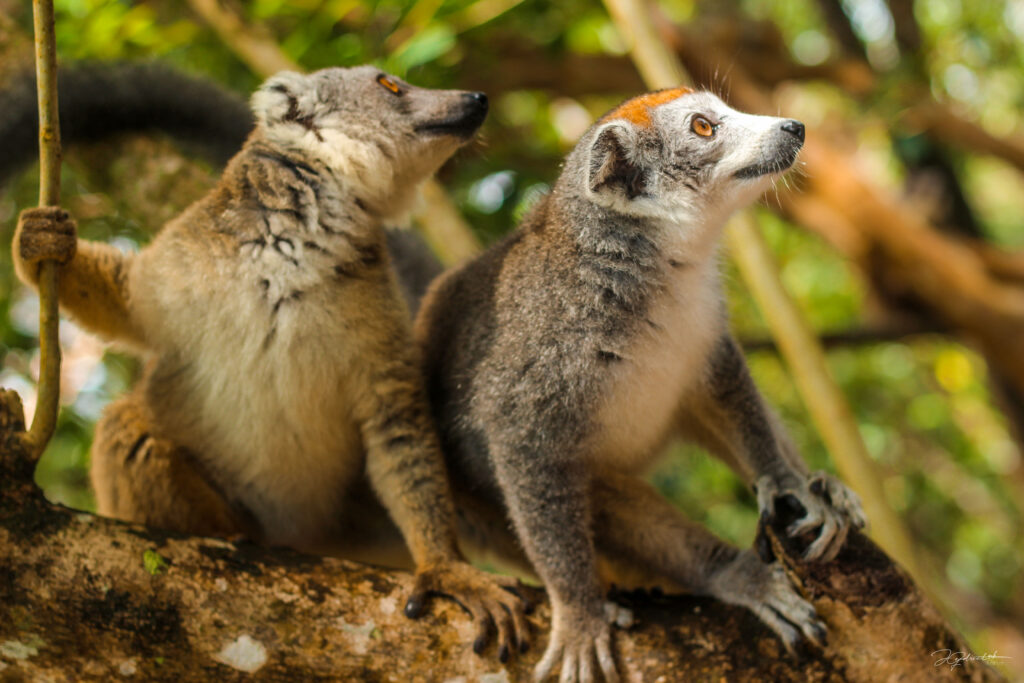
Are lemurs monkeys? Who exactly are lemurs? Excellent question! When we talk about primates, many people immediately think of monkeys… They are often confused with lemurs, yet they are very different. So why? And why are lemurs found only in Madagascar, even though they are also primates? Lemurs are indeed primates and placental mammals, but they belong to a completely unique branch, one that exists nowhere else in the world. Madagascar is also the second country in the world in terms of primate diversity, with no fewer than 112 species of lemurs, just behind Brazil. This is what makes Madagascar an exceptional destination: observing lemurs in their natural habitat is an experience you cannot have anywhere else. Monkeys and lemurs are therefore very different: morphology, behavior, habitat… everything sets them apart. And it is this difference that makes Madagascar so special. Unlike monkeys, which have flatter faces and features more reminiscent of humans, lemurs are recognized by their longer faces. Their body shapes vary according to their lifestyle: some are agile and light to move through the trees, while others are a bit more sturdy to live on the ground. It is precisely this physical difference that makes encountering lemurs so unique. In Madagascar, you can discover animals with a truly unique appearance: large expressive eyes, surprising postures, and a natural elegance found in no other primate. What makes lemurs more attractive than monkeys? Lemurs are unique in the world Monkeys can be seen in many countries: Indonesia, Brazil, Africa, Tanzania… But when it comes to lemurs, only one country in the world offers this exceptional opportunity: Madagascar. It is the only place where you can truly admire them in their natural habitat. The rarer something is, the more it attracts, and lemurs are the perfect example of this. Each lemur species has its own behavior We have discussed the number of lemur species endemic to Madagascar. Each one has its own unique behaviors, colors, and many surprises! There is no reason to be afraid of them. They sometimes love to jump onto our shoulders, walk around us, and even strike surprising poses that make us laugh and marvel. Hahaha, it’s truly a show not to be missed!

Baobabs in Madagascar
Blog

Baobabs in Madagascar

Where can we see baobabs? Baobabs, you say? Perfect timing! If you’re looking for them, it’s because they fascinate you, right? Maybe getting the chance to admire them up close is one of your biggest dreams… But do you already know where to find them? You won’t believe it: they grow in a country that many describe as poor or underdeveloped… and yet, this very country can offer you one of the most breathtaking sights of your life. Still convinced it has nothing interesting to offer? Then guess: where are we? It’s known as the Red Island, the fourth largest island in the world—Madagascar. Yes, when we talk about Madagascar, we’re truly talking about the land of baobabs. In the southwestern region, they are not only present but dominant, thanks to an arid climate and low rainfall that allow them to thrive Where can we see baobabs? Avenue of the Baobabs Even without going into detail, the name alone reveals the presence of baobabs. This rare spot offers stunning views, especially at sunset. About 20 km from the center of Morondava, along a dirt track in the Menabe region, you’ll find tall baobabs perfectly lined up Kirindy Forest Famous for its baobabs, Kirindy Forest is located around 50 km north of Morondava. The site is rich in unique animals and exceptional plants. The dry season, from March to December, is the ideal time for a visit Ankarafantsika National Park Situated in the northwest of the island, this park is known for its endemic plants, remarkable landscapes, and attractive tourist sites. Baobabs grow throughout the park, and guided hikes with local guides allow for close observation. The best visiting period is between April and November Reniala Reserve In the southwest, near Toliara and heading towards Mangily, the Reniala Reserve offers trails for observing baobabs. This unique location also shelters medicinal plants, lemurs, reptiles, and a wide variety of birds Please click here to learn more about the Baobab tour! Image accordion content. Image accordion content. Image accordion content.

Retour en haut