Madagascar Travel Guide: Beaches, Rainforests & Highlands Explained (2026)
Madagascar is one of the most geographically diverse islands on Earth. Often described as a “mini continent,” it combines tropical beaches, dense rainforests, volcanic landscapes, and high-altitude plateaus within a single destination.
This Madagascar travel guide (2026) explains everything you need to know about the island’s three main natural worlds: the beaches, the rainforests, and the highlands. It is designed for travelers who want a clear, SEO-optimized, and practical overview before planning their trip.
From the capital city of Antananarivo to the coastal paradise of Nosy Be and the ancient rainforests of Andasibe-Mantadia National Park, Madagascar offers a rare combination of ecosystems that cannot be found anywhere else in the world
Why Madagascar Is Unlike Any Other Travel Destination
Madagascar separated from Africa and India millions of years ago. This isolation created an ecosystem where most species evolved independently.
Key facts that make Madagascar unique:
- Over 90% of wildlife is endemic
- Landscapes change dramatically within short distances
- Multiple climates exist on a single island
- Strong cultural diversity influenced by Asian and African roots
For travelers, this means one trip can include rainforest trekking, beach relaxation, mountain exploration, and cultural immersion — all in one itinerary
🌴 1. Madagascar Beaches: Tropical Paradise in the Indian Ocean
Madagascar is surrounded by over 5,000 km of coastline, offering some of the most untouched beaches in the world. Unlike mass-tourism destinations, many beaches remain quiet and natural
Nosy Be: The Most Famous Beach Destination
The island of Nosy Be is the main beach hub of Madagascar.
Why travelers love Nosy Be:
- Crystal-clear turquoise water
- Coral reefs and marine biodiversity
- Luxury resorts and eco-lodges
- Diving, snorkeling, and sailing
Top experiences in Nosy Be:
- Island hopping (Nosy Komba, Nosy Tanikely)
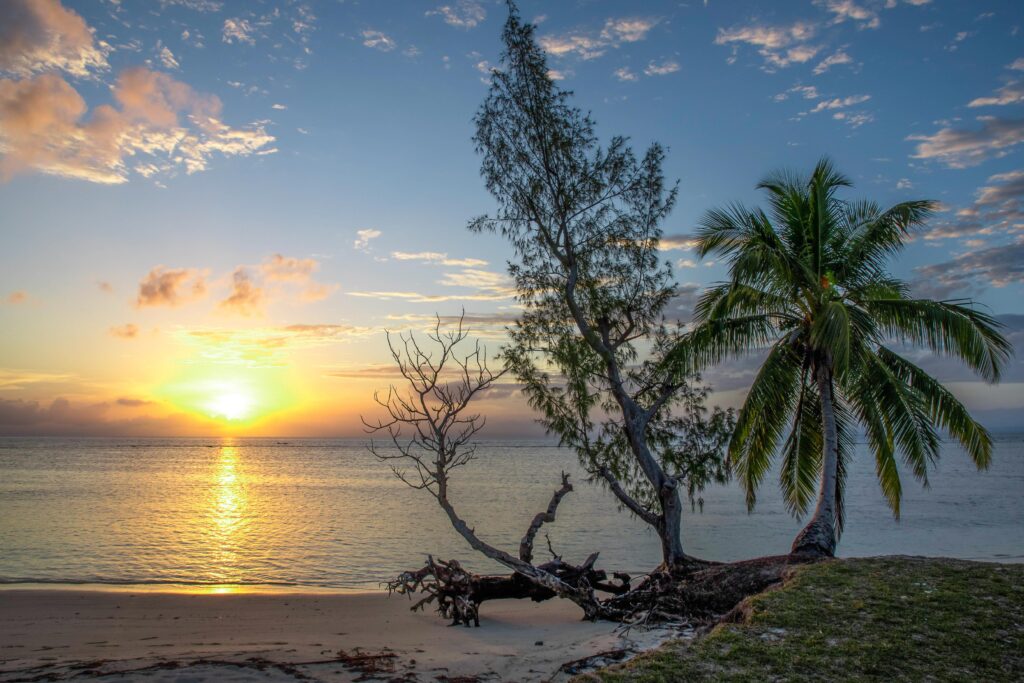
- Sunset cruises
- Scuba diving with tropical fish
- Exploring local markets
Nosy Be is ideal for honeymooners, luxury travelers, and beach lovers
Île Sainte-Marie: Hidden Paradise of the East Coast
Located on the eastern side, Île Sainte-Marie is one of Madagascar’s most peaceful destinations.
Highlights:
- Whale watching (June to September)
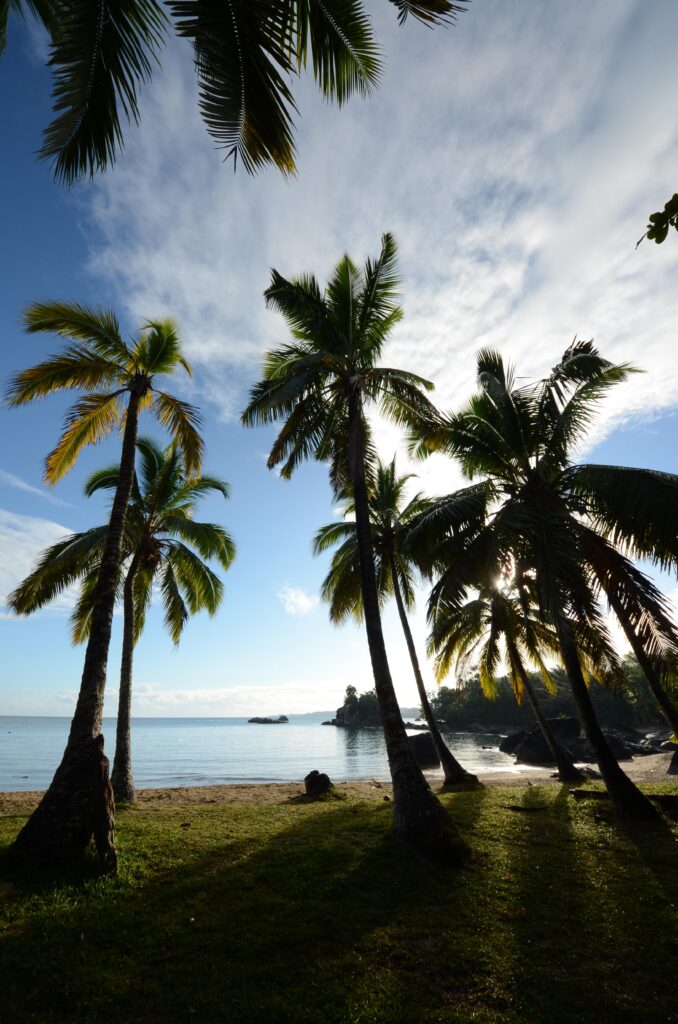
- Long sandy beaches with palm trees
- Pirate history sites
- Quiet and romantic atmosphere
Perfect for travelers seeking tranquility and nature
Southern Beaches: Wild and Untouched
In southern Madagascar, beaches become more rugged and remote.
Characteristics:
- Fewer tourists
- Natural and wild coastline
- Strong ocean waves
- Desert-meets-ocean landscapes
Best for adventure travelers and photography
Coastal Activities in Madagascar
Across all beach regions, travelers can enjoy:
- Snorkeling and diving
- Traditional pirogue boat rides
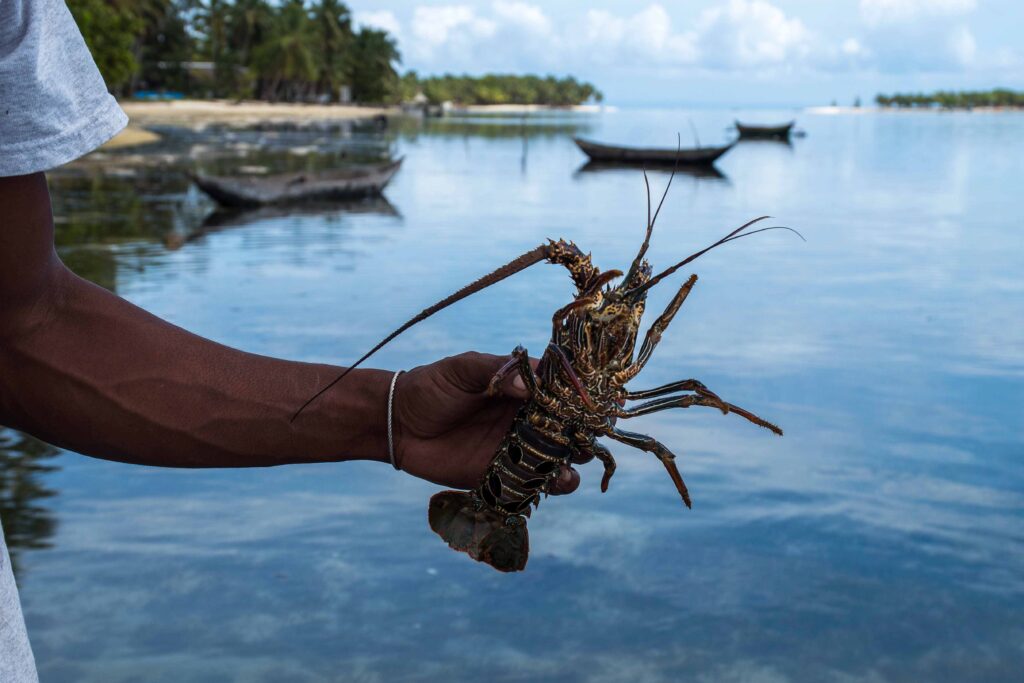
- Fishing village visits
- Ocean wildlife observation
Madagascar’s coastline is not just for relaxation — it is a living ecosystem full of culture and biodiversity
🌳 2. Madagascar Rainforests: The Heart of Biodiversity
The rainforests of Madagascar are among the richest ecosystems in the world. They are home to species found nowhere else, including lemurs, chameleons, and rare birds
Andasibe-Mantadia National Park: The Most Accessible Rainforest
Andasibe-Mantadia National Park is one of the best places to experience Madagascar’s rainforest ecosystem.
Why it is important:
- Home of the Indri lemur (largest living lemur species)
- Dense tropical forest
- Easy access from Antananarivo
What to do:
- Guided rainforest trekking
- Night walks to see nocturnal species
- Birdwatching
- Photography tours
This is the best introduction to Madagascar’s wildlife
Ranomafana National Park: Deep Jungle Experience
Although more remote, this park offers a deeper rainforest experience.
Highlights:
- Hot springs and waterfalls
- Dense, humid jungle
- Rare golden bamboo lemurs
Ideal for serious nature lovers
Wildlife in Madagascar Rainforests
Madagascar’s rainforests are home to:
- Over 100 species of lemurs
- Unique chameleons (half of the world’s species)
- Rare frogs and reptiles
- Hundreds of endemic birds
This biodiversity makes Madagascar a top global eco-tourism destination
Why Rainforests Are Important for Travelers
Visiting Madagascar’s forests is not just tourism — it supports conservation.
Many parks use entrance fees to:
- Protect endangered species
- Support local communities
- Maintain ecological balance
⛰️ 3. Madagascar Highlands: Culture, History & Landscapes
The highlands form the central spine of Madagascar. This region is cooler, greener, and culturally rich
Antananarivo: The Cultural Capital
The journey often begins in Antananarivo, a city built on hills with colonial architecture and vibrant street life.
What to explore:
- Historic upper town
- Local markets
- Cultural museums
- Traditional cuisine
Antananarivo is the gateway between modern life and traditional Madagascar
Ambohimanga: Royal Heritage Site
Ambohimanga is a UNESCO World Heritage Site and one of the most important cultural landmarks in Madagascar.
Why it matters:
- Former royal capital
- Sacred site for Malagasy people
- Traditional architecture preserved
Highland Landscapes
The highlands are known for:
- Rice terraces
- Rolling green hills
- Cool climate
- Traditional villages
This region is very different from the tropical coastlines and offers a more cultural and agricultural perspective of Madagascar
🧭 How to Combine Beaches, Rainforests & Highlands in One Trip
A well-planned Madagascar itinerary usually combines all three ecosystems.
Recommended travel flow:
- Highlands (Antananarivo)
- Rainforests (Andasibe)
- Western landscapes (optional extension)
- Beaches (Nosy Be or Île Sainte-Marie)
Suggested 14-Day Balanced Itinerary
Days 1–2: Antananarivo
Cultural introduction and city exploration
Days 3–5: Andasibe Rainforest
Wildlife and jungle trekking
Days 6–9: Morondava / West Coast
Baobabs and landscapes (optional)
Days 10–14: Nosy Be
Beach relaxation and marine activities
🚗 Transportation Between Regions
Madagascar is large, and travel requires planning.
Main options:
- Domestic flights (fastest)
- Private 4×4 with driver (most flexible)
- Taxi-brousse (budget option, slower)
👉 Most travelers prefer organized tours for comfort and efficiency
🌤️ Best Time to Visit Madagascar
Dry Season (April–November)
- Best for travel
- Ideal for wildlife and beaches
- Good road conditions
Rainy Season (December–March)
- Green landscapes
- Risk of cyclones
- Limited accessibility
👉 Best months: May to October
Madagascar Travel Costs Overview
Madagascar is affordable compared to many island destinations.
Travel Style | Daily Cost |
Budget | $30–50 |
Mid-range | $70–150 |
Luxury | $200+ |
Internet, SIM & Connectivity
Connectivity varies by region.
Mobile operators:
- Telma
- Orange
- Airtel
SIM cards are easy to buy upon arrival
Practical Travel Tips
- Always carry cash (Ariary currency)
- Learn basic French phrases
- Plan extra travel time
- Book domestic flights early
- Use local guides for remote areas
❓ FAQ – Madagascar Travel Guide
Yes, with basic precautions and common travel sense
At least 10–14 days for a good experience
Yes, and it is highly recommended
No, it offers excellent value for money
🌍 Final Thoughts
Madagascar is one of the few places in the world where beaches, rainforests, and highlands coexist in one destination. This diversity makes it ideal for travelers seeking adventure, culture, and relaxation in a single journey.
From the vibrant capital of Antananarivo to the lush jungles of Andasibe-Mantadia National Park and the paradise islands of Nosy Be, every part of the country offers a different experience.
👉 In 2026, Madagascar remains one of the most authentic and unforgettable travel destinations in the world