Madagascar Wildlife Guide: Where to See Lemurs & Unique Animals (2026)
Introduction
Madagascar is widely considered one of the most unique wildlife destinations on Earth. Located in the Indian Ocean off the southeastern coast of Africa, this island nation is a true natural laboratory of evolution. Due to its long isolation—separated from mainland Africa around 88 million years ago—Madagascar developed an extraordinary ecosystem where more than 90% of species are endemic.
For travelers, this means one thing: you will see animals here that exist nowhere else in the world.
From the famous lemurs and vividly colored chameleons to rare birds, unusual insects, and ancient baobab trees, Madagascar offers a wildlife experience that rivals the Galápagos Islands and the Amazon rainforest. Whether you are a nature enthusiast, photographer, or first-time visitor, this Madagascar wildlife guide (2026) will help you plan your trip with confidence.
In this complete guide, you will discover:
- The best places to see wildlife in Madagascar
- Where to find specific animals (lemurs, chameleons, fossa)
- The best time to visit
- Detailed costs and budget planning
- Sample itineraries
- Practical travel tips
Why Madagascar Is One of the Best Wildlife Destinations in the World
Madagascar’s biodiversity is simply unmatched. Because the island evolved in isolation, it developed species that are both rare and highly specialized.
Key Wildlife Facts
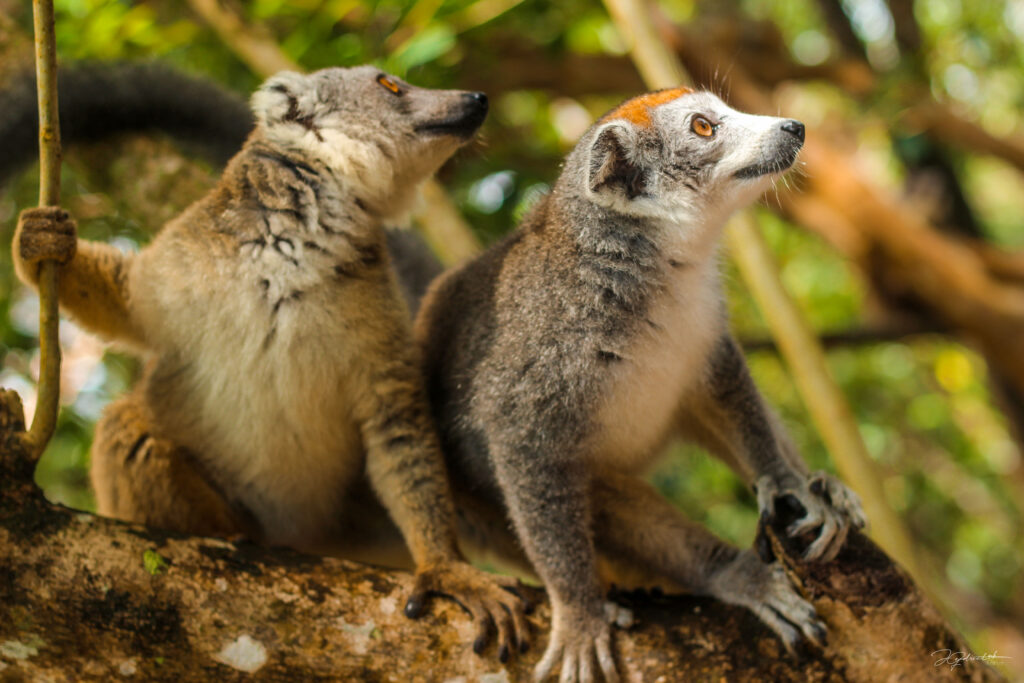
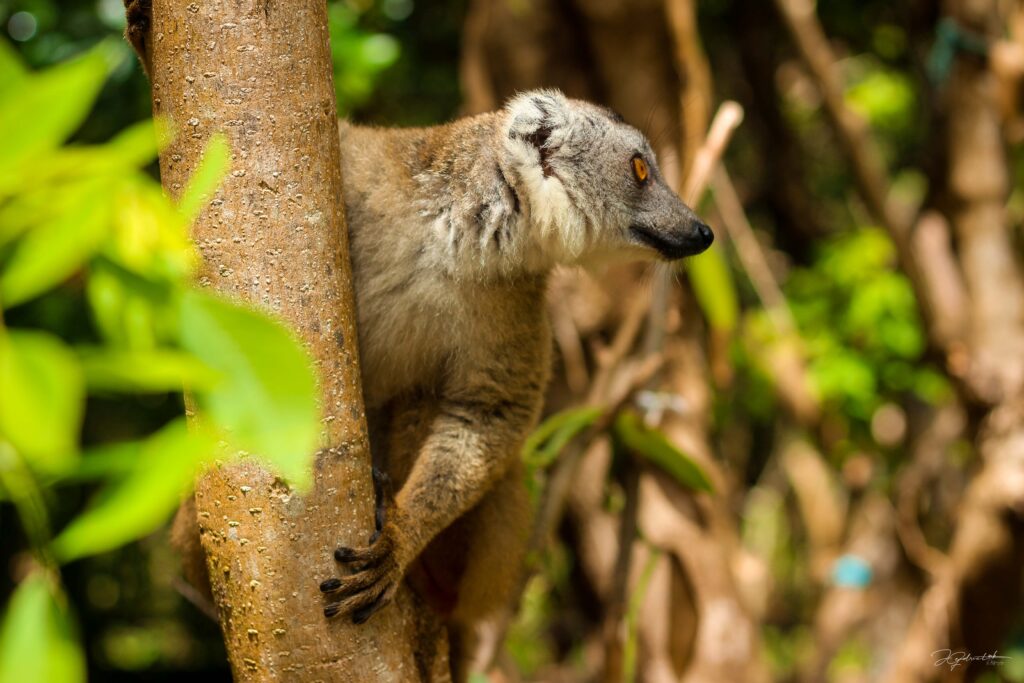
- 🐒 Over 110 species of lemurs, ranging from tiny mouse lemurs to large Indri
- 🦎 Around 50% of the world’s chameleons live in Madagascar
- 🐦 More than 300 bird species, many endemic
- 🐸 Hundreds of amphibians and reptiles
- 🌳 Unique plant life including baobabs and spiny forests
Madagascar is also considered a global biodiversity hotspot, meaning it has exceptional levels of endemic species but is also under environmental threat. This makes eco-tourism and responsible travel especially important.
Top Places to See Wildlife in Madagascar
To fully experience Madagascar’s wildlife, you need to explore different regions. Each national park offers a distinct ecosystem and unique species.
1. Andasibe-Mantadia National Park (Best for First-Time Visitors)
Located about 140 km from Antananarivo, Andasibe is the most accessible park and one of the best places to see lemurs.
Wildlife Highlights
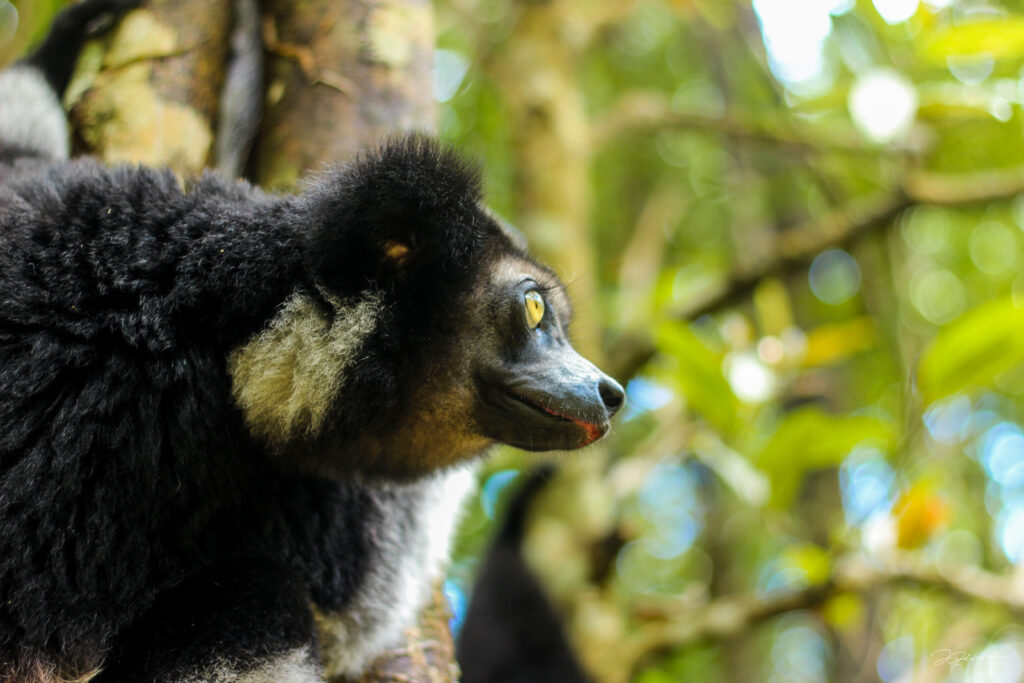
- Indri Indri (largest lemur, known for its loud calls)
- Diademed sifaka (beautiful white lemur)
- Bamboo lemurs
- Chameleons, frogs, and insects
- Nocturnal species during night walks
Why Visit
Andasibe offers one of the highest chances of spotting lemurs in Madagascar, making it perfect for beginners.
Prices (2026)
- Entrance: $15–20 per person
- Guide: $10–15 per group
Included
Park entrance
Guided wildlife walk
Not Included
Transport
Accommodation
2. Ranomafana National Park (Rainforest & Biodiversity)
Ranomafana is one of Madagascar’s most important conservation areas.
Wildlife Highlights
- Golden bamboo lemur (critically endangered)
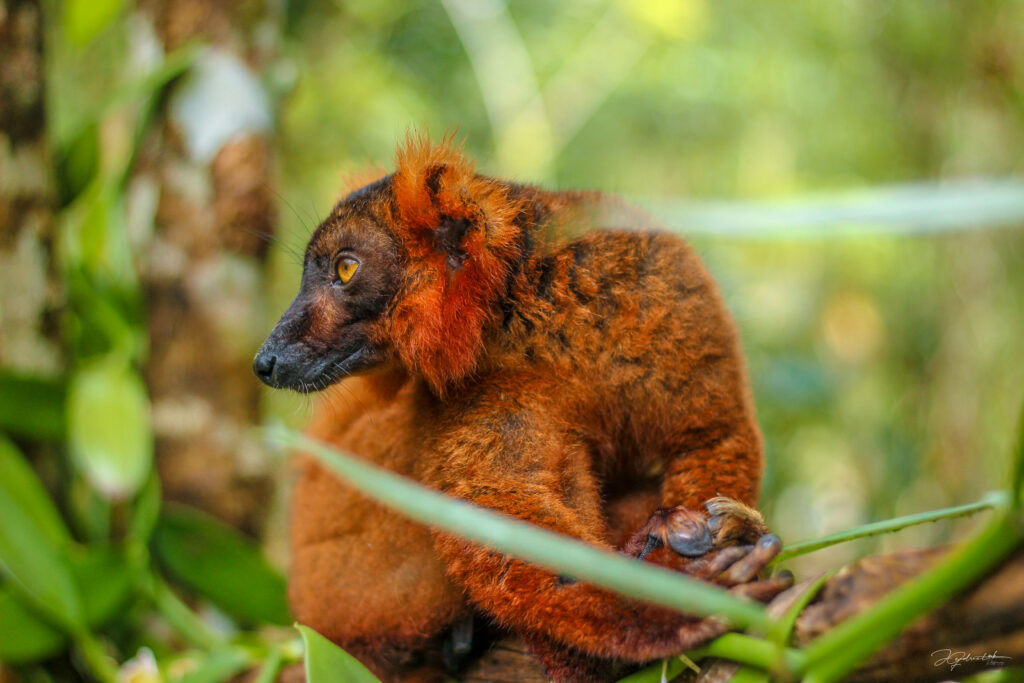
- Red-fronted brown lemur
- Rare birds and reptiles
- Diverse insect life
Why Visit
This park is ideal for travelers interested in deep rainforest exploration and biodiversity.
Prices
- Entrance: $20
- Guide: $15–20
3. Isalo National Park (Wildlife + Landscapes)
Isalo is famous for its dramatic landscapes, offering a completely different environment compared to rainforests.
Wildlife Highlights
- Ring-tailed lemurs
- Verreaux’s sifaka (known for “dancing” movement)
- Birds and reptiles
Activities
- Hiking through canyons
- Swimming in natural pools
- Sunset viewpoints
4. Kirindy Forest (Best for Nocturnal Wildlife)
Kirindy is one of the best places in Madagascar to see rare nocturnal animals.
Wildlife Highlights
- Fossa (Madagascar’s top predator)
- Mouse lemurs (smallest primates in the world)
- Giant jumping rat
- Night-active reptiles and insects
Why Visit
Kirindy offers a rare chance to see species that are almost impossible to spot during the day.
5. Avenue of the Baobabs (Iconic Landscape)
Although not a wildlife park, this location is one of Madagascar’s most famous natural landmarks.
Highlights
- Massive baobab trees over 800 years old
- Stunning sunset views
- Nearby wildlife excursions (Kirindy Forest)
6. Nosy Be & Lokobe Reserve (Wildlife + Beaches)
For those who want both wildlife and relaxation, Nosy Be is an excellent destination.
Wildlife Highlights
- Black lemurs
- Panther chameleons
- Tropical birds
Why Visit
Perfect combination of nature exploration and beach
Where to See Specific Animals in Madagascar
Lemurs
- Andasibe → Indri
- Ranomafana → Bamboo lemur
- Isalo → Ring-tailed lemur
- Kirindy → Mouse lemur
Fossa
Chameleons
- Andasibe
- Ranomafana
- Nosy Be
Baobabs
- Avenue of the Baobabs
Best Time to Visit Madagascar for Wildlife
Dry Season (April to November)
- Best for wildlife spotting
- Easier travel conditions
Rainy Season (December to March)
- Lush scenery
- Difficult roads
Best Months
- May to October → Ideal
- September to November → Baby lemurs
How Much Does a Wildlife Trip Cost in 2026?
Daily Budget
- Budget: $30–50/day
- Mid-range: $60–120/day
- Luxury: $150+/day
Typical Costs
- Park entry: $15–25
- Guide: $10–20
- Car + driver: $50–80/day
- Domestic flights: $100–300
Sample Wildlife Itineraries
7-Day Itinerary
- Antananarivo
- Andasibe
- Short return
10-Day Itinerary
- Add Ranomafana
14-Day Itinerary
- Include Isalo + Kirindy + Baobabs
Transportation in Madagascar
Getting around Madagascar requires planning.
Options
Car with driver (recommended)
Taxi-brousse (budget)
Domestic flights (fastest)
What to Pack for a Wildlife Trip
- Hiking shoes
- Insect repellent
- Sunscreen
- Light clothing
- Rain jacket
- Camera with zoom
Responsible Wildlife Tourism
Madagascar’s ecosystems are fragile and require protection.
Best Practices
- Respect wildlife
- Avoid feeding animals
- Stay on marked trails
- Support local guides
Choose eco-friendly accommodations
FAQ: Madagascar Wildlife Guide
Yes, it is one of the best destinations in the world for unique wildlife
Andasibe, Ranomafana, Isalo, and Kirindy
May to October
Yes, guides are required in most parks
10 to 14 days is recommended
It can fit all budgets depending on your travel style
No, they are harmless
Conclusion
Madagascar is a dream destination for wildlife lovers. With its incredible biodiversity, unique ecosystems, and rare species, it offers one of the most unforgettable travel experiences on Earth.
Whether you are exploring rainforests, spotting lemurs, or admiring ancient baobab trees, Madagascar promises an adventure like no other.
Plan your 2026 trip today and discover one of the last untouched natural wonders in the world.