
Madagascar Fishing Villages: Experience Authentic Coastal Life with Local Fishermen
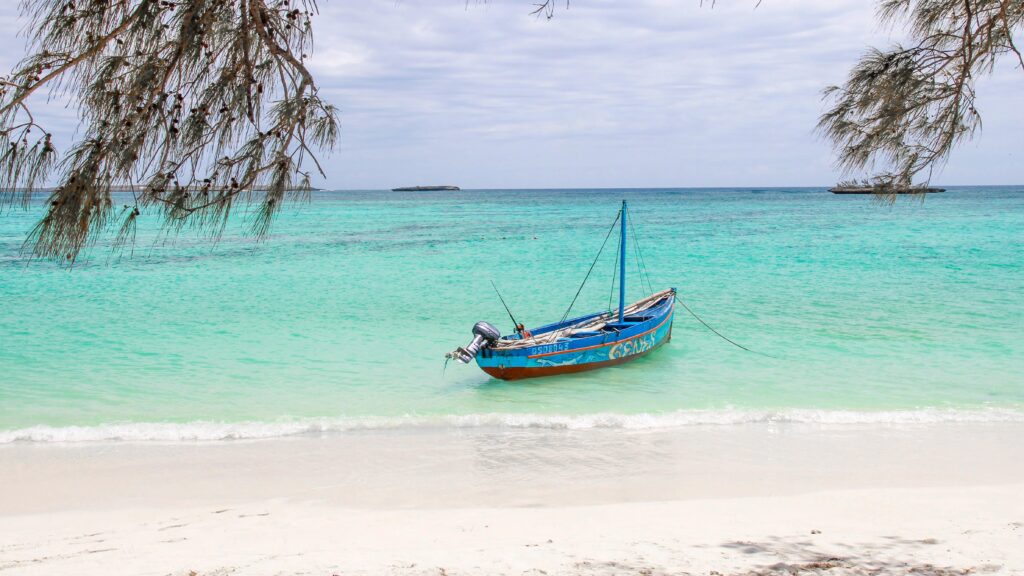
Madagascar is often celebrated for its extraordinary wildlife, spectacular national parks, and pristine beaches. However, beyond its famous tourist attractions lies another side of the island, many travelers never discover: its authentic fishing villages. Scattered along more than 5,000 kilometers of coastline. These small coastal communities offer a fascinating glimpse into a traditional way of life that has remained largely unchanged for generations.
For thousands of Malagasy families, the sea is more than a source of food. It is the heart of their culture, economy, and identity. Every morning before sunrise, colorful wooden pirogues set sail across the Indian Ocean and the Mozambique Channel. Local fishermen rely on their knowledge of tides, winds, marine life; using techniques that have been passed down through generations
Visiting Madagascar’s fishing villages allows travelers to experience the island from a completely different perspective. Instead of luxury resorts and crowded beaches, visitors discover welcoming communities, fresh seafood, handcrafted boats, and authentic cultural exchanges. These experiences create meaningful connections with local people while supporting sustainable community tourism. Whether you are interested in photography, cultural immersion, gastronomy, simply escaping the beaten path, Madagascar’s coastal villages promise unforgettable memories
Why Discover Madagascar's Fishing Villages?
Modern tourism often focuses on beaches, hotels, and famous attractions. While these places certainly deserve their reputation, Madagascar’s fishing villages reveal the island’s true soul.
Life follows the rhythm of the ocean. Fishermen leave before dawn, children play on the beach, women prepare freshly caught seafood. And then, artisans repair traditional sailing boats beneath the shade of coconut trees. The atmosphere is peaceful, genuine, and deeply connected to nature.
Unlike heavily developed tourist destinations, these communities preserve their traditions while welcoming visitors with remarkable hospitality. Travelers are invited not only to observe daily life. They can also participate in activities such as fishing trips, seafood cooking, boat excursions, and local markets
Community-based tourism has also become an important source of income for many villages. By choosing locally owned accommodations, hiring community guides, and purchasing handmade crafts. Visitors directly contribute to improving local livelihoods while helping preserve cultural heritage.
The Importance of Fishing in Madagascar's Coastal Communities
Traditional Fishing as a Way of Life
Fishing has shaped the lives of Madagascar’s coastal communities for centuries. Across the island, thousands of families depend on the ocean for food and income. Although modern equipment has reached some larger ports. Many fishermen continue to rely on traditional methods using handmade wooden pirogues, simple fishing lines, woven nets, and sails powered only by the wind
Each fishing trip requires experience, patience, and deep knowledge of the sea. Fishermen carefully observe tides, currents, weather conditions, and seasonal fish migrations before leaving the shore. This traditional knowledge, passed from parents to children, remains one of the community’s greatest treasures.
Daily catches typically include tuna, grouper, snapper, octopus, lobster, shrimp, and a wide variety of reef fish that supply local markets and restaurants.
The Role of the Sea in Malagasy Culture
For coastal communities, the sea is much more than an economic resource. It is an essential part of their cultural identity.
Many villages celebrate traditional ceremonies asking for protection before important fishing seasons. Stories about the ocean, ancestors, and marine spirits are shared from one generation to another. Strengthening the relationship between local people and their environment
Festivals often feature music, dance, and communal meals prepared with freshly caught seafood. Visitors who respectfully participate in these celebrations gain valuable insight into Madagascar’s rich cultural diversity
Sustainable Fishing Practices
Many fishing communities are becoming increasingly involved in marine conservation. Working alongside local associations and conservation organizations, fishermen have established community-managed marine areas. Protect coral reefs, mangroves, and breeding grounds for marine species
Some villages have introduced seasonal fishing restrictions, temporary closures, and sustainable harvesting methods. To ensure future generations continue benefiting from the ocean’s resources.
Travelers who visit these communities often discover that conservation and traditional knowledge work hand in hand to protect Madagascar’s exceptional marine biodiversity.
Best Fishing Villages to Experience Authentic Coastal Life
Belo-sur-Mer
Located on Madagascar’s western coast, Belo-sur-Mer is one of the country’s most authentic fishing villages. The village is famous for its master boat builders, continue crafting large wooden sailing vessels entirely, using traditional techniques.
Walking through Belo-sur-Mer feels like stepping back in time. Along the beach, craftsmen carefully shape enormous wooden hulls while fishermen prepare their colorful pirogues for the next journey.
Visitors can accompany local fishermen during sunrise, observe the lively fish market, enjoy freshly grilled seafood overlooking the Mozambique Channel. The peaceful atmosphere and friendly residents make Belo-sur-Mer one of Madagascar’s most rewarding cultural destinations.
Anakao
South of Tulear lies Anakao, a charming Vezo fishing village surrounded by white-sand beaches and crystal-clear lagoons. The Vezo people, often called Madagascar’s « sea nomads, » have developed an extraordinary relationship with the ocean over countless generations.
Every morning, dozens of traditional sailing pirogues leave the shore before sunrise. Creating one of the most beautiful scenes along Madagascar’s southwest coast. Visitors can join local fishermen on short fishing excursions, learn about traditional navigation.Or simply watch the day’s catch being brought ashore.
Beyond fishing, Anakao offers excellent opportunities. There are for snorkeling, diving, and visiting nearby Nosy Ve, a protected island famous for its seabirds and marine life. Combining cultural immersion with natural beauty, Anakao is one of the finest destinations for travelers seeking an authentic coastal experience.
Salary Bay
Far from the main tourist routes. Salary Bay is home to several small fishing communities that continue to preserve their traditional lifestyle. Here, life unfolds slowly, following the tides and the seasons rather than modern schedules.
The beach is lined with simple wooden fishing boats, while families gather each afternoon to sort the day’s catch. Fresh fish, octopus, lobster, and shellfish are sold directly to local restaurants or prepared for family meals.
Visitors staying in eco-lodges have the opportunity to interact with local fishermen, discover traditional fishing techniques. And enjoy spectacular sunsets over one of Madagascar’s most beautiful lagoons
Salary Bay perfectly illustrates how responsible tourism. It can coexist with traditional coastal life while supporting local communities and protecting the surrounding environment.
Ifaty
North of Tulear, Ifaty combines beautiful beaches with one of Madagascar’s most vibrant Vezo communities. Fishing remains the primary economic activity, and visitors quickly notice the constant movement of colorful pirogues. Leaving and returning throughout the day.
Local guides offer cultural walks through the fishing village. Introducing visitors to traditional boat construction, net making, seafood preparation, and daily community life. The nearby coral reef also supports sustainable snorkeling and diving tourism, creating additional income opportunities for local families.
The warm hospitality of the Vezo people, combined with stunning coastal scenery. It makes Ifaty an excellent destination for travelers, wish to experience both Madagascar’s natural beauty and its rich maritime culture.
Canal des Pangalanes
Stretching for more than 600 kilometers along Madagascar’s eastern coastline, the Pangalanes Canal is much more than a waterway. It is the lifeline of hundreds of fishing communities, rely on its calm waters for transportation, fishing, and daily living.
Early each morning, fishermen paddle their traditional dugout canoes through the canal, checking handmade fish traps. And casting their nets in search of tilapia, freshwater fish, shrimp, and eels. Along the banks, visitors can observe villages where life has changed very little over the generations.
A boat excursion through the Pangalanes Canal offers an authentic opportunity to meet local families. You can taste freshly prepared fish, discover traditional fishing techniques. Learn how the canal continues to support the local economy while preserving an exceptional natural environment
Toamasina
As Madagascar’s largest port city, Toamasina combines commercial fishing with traditional coastal communities. While the modern harbor welcomes cargo ships, several neighborhoods along the coast remain home to artisanal fishermen. Who continue to fish using wooden pirogues and simple equipment.
The city’s beaches come alive every morning as fishermen return with tuna, kingfish, sardines, shrimp, and crabs. Local fish markets provide visitors with a fascinating glimpse into the daily rhythm of Madagascar’s fishing industry. Where fresh seafood is sold directly from the boats.
Travelers can also enjoy seafood restaurants serving freshly grilled fish, prawns, lobster, octopus caught only hours before reaching the table.
Foulpointe (Mahavelona)
Located about 60 kilometers north of Toamasina.There is Foulpointe, a peaceful seaside village protected by one of Madagascar’s longest coral reefs. The reef creates calm waters that are ideal not only for swimming but also for traditional fishing.
Fishing remains one of the main economic activities in the village. Visitors often see fishermen launching. Their colorful pirogues before sunrise and returning later in the morning with baskets filled with reef fish, octopus, and shellfish.
Local guides can introduce visitors to traditional fishing practice. While nearby restaurants prepare fresh seafood using recipes passed down through generations. The combination of beautiful beaches, cultural authenticity, and relaxed village life. It makes Foulpointe one of the most enjoyable places to experience Madagascar’s eastern coast.
Sainte-Marie Island
Sainte-Marie is famous for whale watching, but its fishing heritage is equally remarkable. Long before tourism developed on the island, local communities depended almost entirely on the sea for their livelihood.
Today, fishermen continue to leave the shore each morning in traditional wooden boats, catching tuna, mackerel, lobster, crabs. The reef fish using sustainable methods that respect seasonal cycles.
Visitors can accompany local fishermen on short excursions, discover traditional navigation techniques. Or purchase freshly caught seafood directly from the beach. During the whale season, many fishermen also work as experienced boat captains for whale-watching excursions. Creating additional income while helping protect these magnificent marine mammals.
Exploring Sainte-Marie through the eyes of its fishing communities offers visitors a deeper understanding of the island’s history, culture. And enduring connection with the Indian Ocean.